
Editors' Letter
THE NEW ERA OF LONGEVITY IS HERE
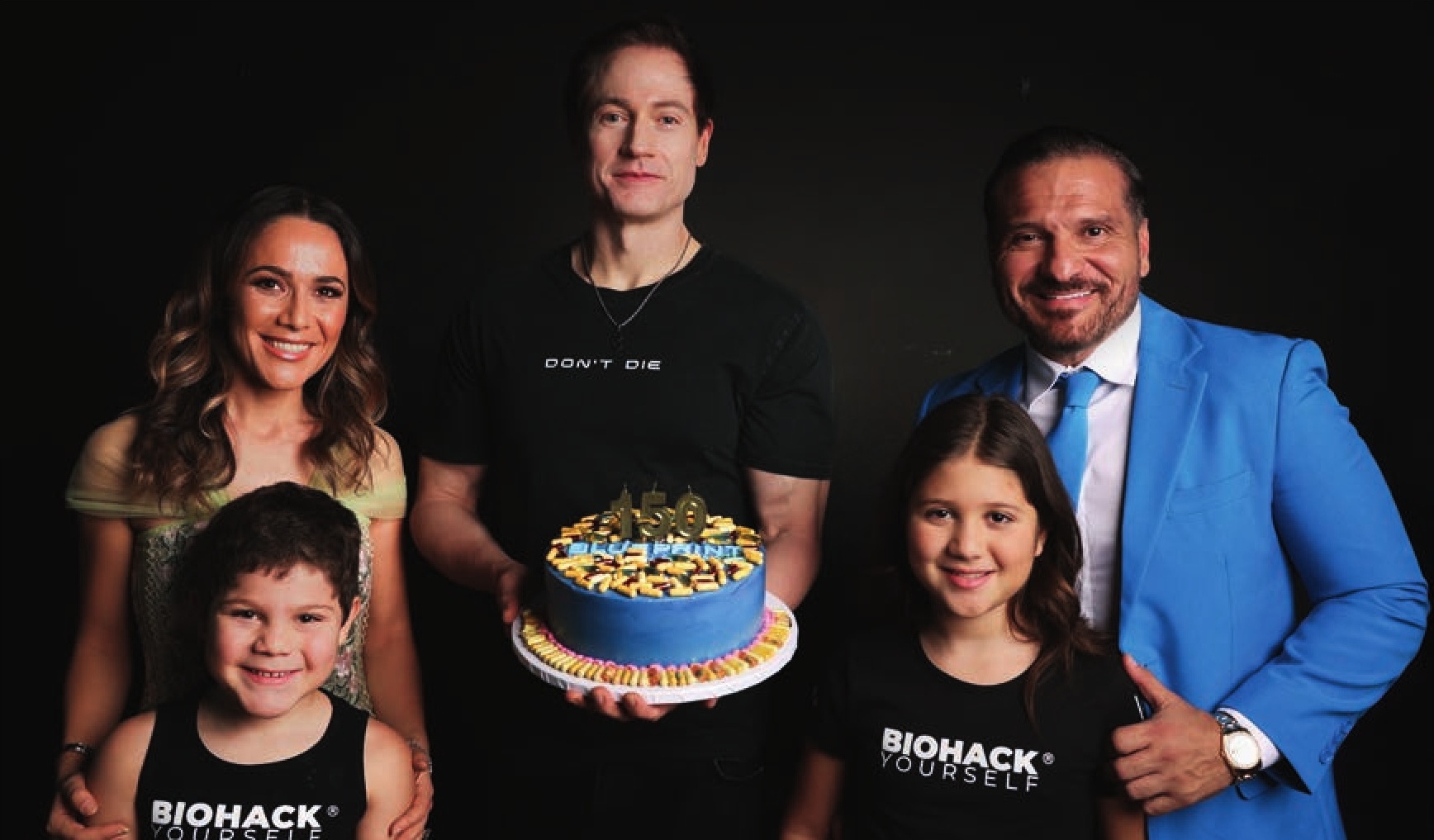
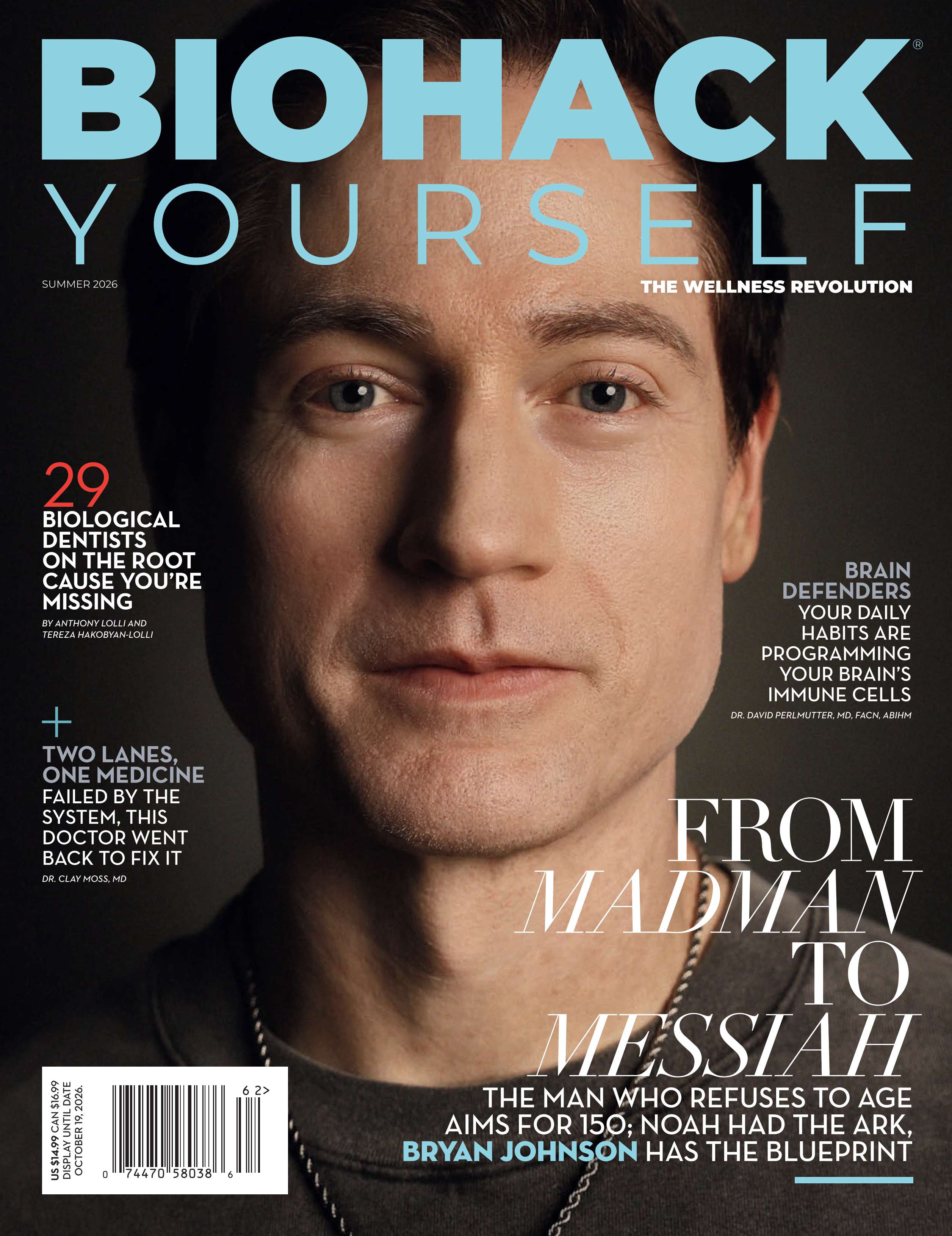
T HIS SUMMER, THE future of health feels closer, more personal, and more urgent than ever before. Across science, technology, and wellness, a new generation of thinkers and innovators is reshaping how people approach aging and human performance.
Wellness isn’t a trend. Longevity isn’t a headline. Real health is a daily practice, and it’s built through discipline, self-awareness, and the willingness to take responsibility for what happens next.
At the center of this issue is Bryan Johnson, one of the most recognized and debated figures in modern longevity. His work has challenged the way millions think about aging, optimization, discipline, and the relationship between technology and the human body. Whether people agree with every method or not, one thing is undeniable: the conversation around longevity has changed because people are finally paying attention.
But this issue is bigger than one individual. Across these pages, you’ll meet the doctors, founders, scientists, innovators, and disruptors shaping the next era of wellness—from metabolic health and cognitive performance to regenerative medicine, biological dentistry, and the future of family health.
We explore the evolving world of biological dentistry and how advances in technology, systems thinking, and regenerative care are reshaping the future of oral and whole-body health. We also reflect on the growing importance of generational wellness, family culture, and the idea that true wealth begins with the ability to build and protect health together.
At Biohack Yourself, we believe longevity is not about escaping aging—it’s about improving the quality of the years we have. It’s about building stronger families, sharper minds, greater resilience, and healthier futures. The future of health becomes personal the moment people choose to take an active role in shaping it themselves.
This issue is a reflection of that shift.
Warmly,


Contributors
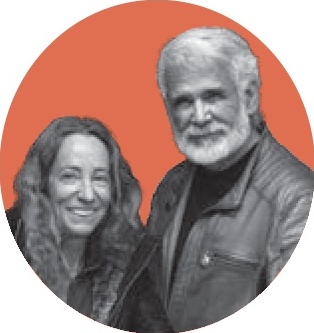
DR. ROBERT MALONE, MD, MS AND DR. JILL MALONE, PHD
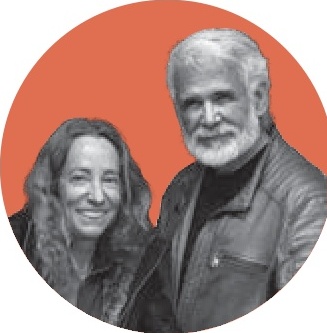
Both are physicians, scientists, farmers, and best-selling authors. Robert is a physician-scientist whose early career included work as a carpenter and farmhand. Jill studied animal science as an undergraduate, holds a PhD in biotechnology and public policy, and worked early in her career as a behaviorist at the San Diego Zoo and Wild Animal Park. Both are alumni of Harvard Medical School’s Global Clinical Scholars Research Training program. Their Substack, malone.news, has more than 355,000 subscribers and reaches an estimated ten million readers monthly. They live and farm in Virginia.
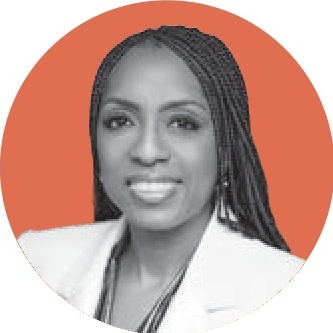
DR. EBONI CORNISH, MD
An Associate Medical Director at Amen Clinics and President-Elect of ILADS, Dr. Cornish specializes in complex chronic illness, including Lyme disease, neuroinflammation, autoimmune conditions, and environmental toxicities. She developed the NeuroLongevity™ framework, integrating SPECT brain imaging with advanced biomarker analysis to identify root drivers of cognitive and psychiatric symptoms. Bridging functional medicine and neuroscience, she is dedicated to advancing brain health, optimizing performance, and transforming outcomes for patients with treatment-resistant conditions.
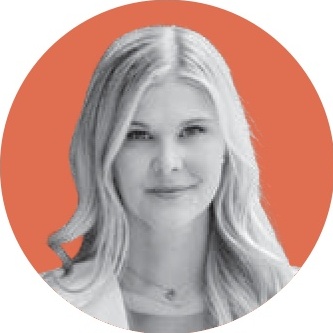
DR. NATALIE CRAWFORD, MD
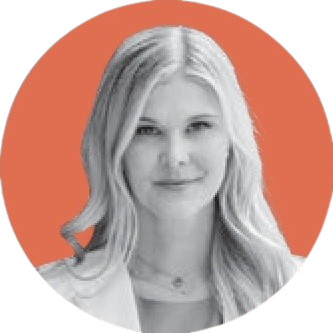
Author of “The Fertility Formula,” is double board-certified in Obstetrics and Gynecology, and Reproductive Endocrinology and Infertility. Dr. Crawford is the co-founder of Fora Fertility, a boutique fertility practice in Austin, Texas, and co-founder and CEO of Learn at Pinnacle. A leading fertility expert with a large social media presence, she shares educational content on Instagram and TikTok (@nataliecrawfordmd), YouTube (“Natalie Crawford, MD”), and hosts the podcast “As a Woman,” which has over 6 million downloads.
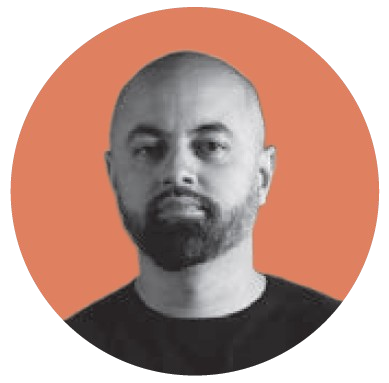
KASHIF KHAN
A best-selling author of “The DNA Way,” a celebrity longevity coach, and a 2-time TEDx speaker. Kashif is a pioneer in functional genomic interpretation.
He overlays environment, nutrition, and lifestyle on the genetic blueprint to create personalized longevity plans. Growing up in an immigrant household in Vancouver, Canada, he developed a strong entrepreneurial spirit, advising high-growth startups across luxury retail, technology, finance, and healthcare—participating in over $500 million in revenue. When his own genes revealed a sensitivity to pollutants as the root cause of his declining health, he reversed 5 chronic diseases and built a global brand to help tens of thousands thrive.
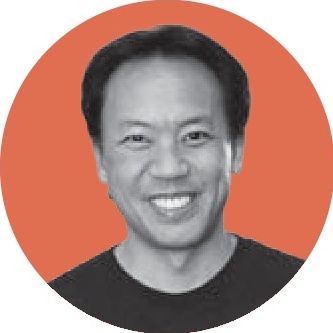
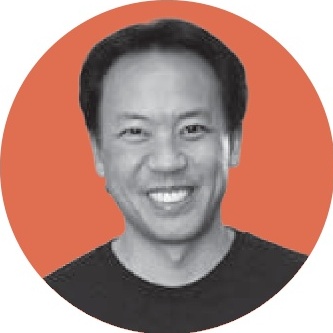
JIM KWIK
A brain performance coach, keynote speaker, founder of Kwik Brain Universe, bestselling author of “Limitless,” and host of the “Kwik Brain” podcast. After a childhood brain injury, Kwik was labeled “the boy with the broken brain,” a challenge that sparked his lifelong mission to unlock the potential of the human mind. For 30 years, Jim has taught accelerated learning, memory, and cognitive optimization to high performers worldwide. His methods are used by universities like Harvard and Caltech and companies like Google, Nike, Virgin, and SpaceX. Jim has helped millions upgrade their minds and unlock their full potential.
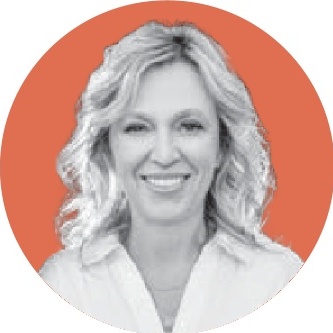
DR. MICHELLE JORGENSEN, DDS
A former traditional dentist turned holistic health expert who bridges the gap between dentistry and whole-body wellness. Dr. Jorgensen helps people restore energy and health by starting at the cellular level and recognizing the powerful connection between the mouth and the body. She is the founder of Living Well with Dr. Michelle and author of her new book, which teaches how to understand your symptoms and give your body what it needs to heal and thrive—without confusion or trends.
JOSH MACIN
The founder of The Detox Dudes, where he works with high performers, entrepreneurs, and athletes to restore energy, clarity, and resilience through modern detoxification. After overcoming his own complex chronic health challenges, he developed an approach focused on removing the underlying interference—environmental toxins, gut disruption, and nervous system dysregulation—that prevents the body from functioning at a high level. Rather than adding more inputs, his work centers on clearing the system so performance becomes a byproduct. Through high-level coaching, protocols, and retreats, Josh helps clients resolve complex health issues while staying fully engaged in life and business.
DR. BEN JAVID, DDS, DASBA
Co-founder of Smilebody (Holistic Dental + Medical Wellbeing), Dr. Javid earned his Bachelor of Science in Physiological Science from UCLA. His passion for anatomy, physiology, and holistic health laid the foundation for a career in biological dentistry. He graduated with honors from the University of the Pacific Arthur A. Dugoni School of Dentistry in 2002. Recognized as one of America’s Top Dentists since 2007 and a Top Dentist by Los Angeles Magazine in 2021, he is a Diplomate in Dental Sleep Medicine and SMART-certified. Dr. Ben is an active member of leading holistic and dental health organizations.
DR. DAVID PERLMUTTER, MD, FACN, ABIHM
A board-certified Neurologist and six-time New York Times bestselling author. Dr. Perlmutter is a Fellow of the American College of Nutrition, he serves on its Board of Directors and on the Editorial Board of the Journal of Alzheimer’s Disease. His books, including the #1 bestseller “Grain Brain,” have been published in 32 languages and sold over a million copies. He lectures globally at leading institutions, and his contributions have earned him numerous national and international awards for clinical innovation and leadership. His upcoming book, “Brain Defenders,” will be released on August 18, 2026, and is available for pre-order.
DR. CLAY MOSS, MD
A physician completing his residency in Physical Medicine and Rehabilitation (PM&R) while simultaneously pursuing advanced training in functional and longevity-based medicine. One of the few active medical residents building at the intersection of traditional and preventive care, Dr. Moss reaches hundreds of thousands of followers with evidence-based protocols for metabolic health, muscle preservation, and longevity. His philosophy (“medicine that makes sense”) was born from firsthand experience as both a clinician and a patient failed by a system that only shows up after you’re already sick. Follow him on Instagram @drclaymoss.
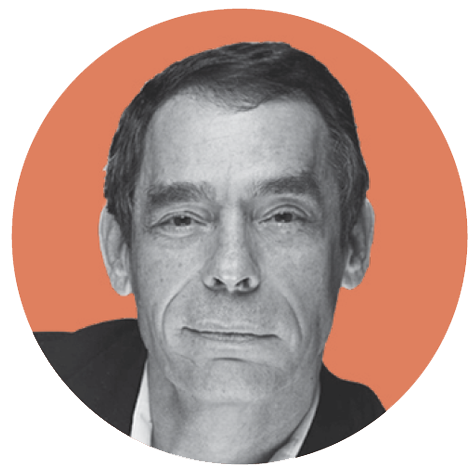
DR. MARK GORDON, MD
A board-certified physician specializing in interventional endocrinology, neuroendocrinology, and traumatic brain injury (TBI). He is the founder of Millennium Health Centers, Inc., and a medical advisor to many veterans 501c3 organizations. Dr. Gordon has pioneered neurosteroid-based therapies for TBI and neuropsychiatric conditions, lectured at Walter Reed, Fort Bragg, and internationally, and developed an AI system for interpreting trauma-related biomarkers. He has authored several books and appeared in “Quiet Explosions.” His work has transformed care for thousands of veterans and civilians suffering from neuroendocrine dysfunction.
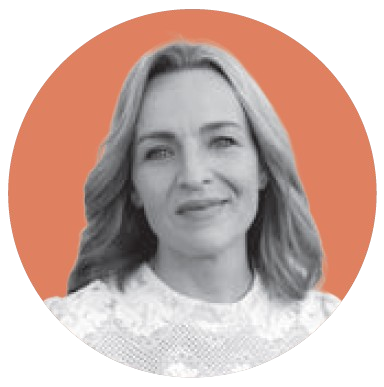
DR. TIFF THOMPSON, PHD, QEEG-D, BCN, R.EEG.T., LMFT
A clinical neuroscientist, licensed therapist, and neurotechnology educator specializing in brain mapping, neuromodulation, and neurotherapy. Dr. Thompson founded NeuroField Neurotherapy, a Santa Barbara clinic serving mental health, brain injury, and neurodiverse populations, and The School of Neurotherapy, an online platform for QEEG and board certification training. She consults internationally on functional brain mapping, serves on neuroscience boards, and lectures on applied neurodiagnostics. Her work bridges psychodynamic psychology and EEG science to advance brain-based approaches to performance and healing.
Back to the Source
THE ORIGINAL BIOHACK
Why homesteading for health belongs on every optimizer’s shelf
I F YOU’VE SPENT any time in the biohacking world, you already know the routine—continuous glucose monitors, red light panels, cold plunges at 4 a.m., stacks of nootropics, and a refrigerator full of grass-fed everything. We measure HRV, track deep sleep, audit our blood panels, and chase the molecular fine-tuning of a body we suspect is being slowly degraded by something we can’t quite name.
“Homesteading for Health: One Farm Family’s Guide to Food, Land, and Self-Sufficiency,” by Drs. Robert and Jill Malone, gives that feeling a name. On its surface, the book is a memoir and practical handbook about leaving the conventional world behind to build a working farm in Virginia. But for readers immersed in the world of health optimization and biohacking, it’s something more interesting: a deeply researched argument that the most powerful biohack available to any of us isn’t a peptide, a wearable, or a supplement protocol. It’s a fundamental restructuring of where our food comes from, what’s in our soil, and how we live inside our own bodies daily.
TWO SCIENTISTS, SIX FARMS, FORTY YEARS
The authors approach the subject from decades of scientific and clinical experience. Robert Malone is a physician and scientist whose work on mRNA technology and public health has made him one of the most widely discussed figures in the health conversation over the past five years. Jill Malone holds a PhD in biotechnology and public policy and worked early in her career as a behaviorist at the San Diego Zoo. Both are alumni of Harvard Medical School’s Global Clinical Scholars Research Training program. Their Substack, malone.news, reaches an estimated ten million readers monthly.
Before the credentials, Robert worked as a carpenter and farmhand. Jill grew up steeped in animal science. Across four decades and six farms, the Malones have learned the ten thousand small skills that turn raw land into a functioning ecosystem. What makes the book genuinely valuable for biohackers was a moment in 2022 when the Malones turned the same rigor they apply to research onto themselves. After years of stress and self-neglect, they committed to a radical dietary overhaul grounded entirely in what they grew and raised on their own farm. In their own words: the farm did not just feed them. It healed them.
That’s an n=2 experiment with full traceability—every input, every variable, every outcome documented across years. It’s the kind of long-form self-experimentation most of us only fantasize about running.
“The most powerful biohack available to any of us isn’t a peptide, a wearable, or a supplement protocol.”
THE METABOLIC CRISIS, REFRAMED
Part III of the book is where biohackers will feel most at home. The Malones lay out, with extensive citations, the case that obesity is fundamentally an inflammatory state—not a willpower problem, not a calorie-math problem, but a complex metabolic dysregulation in which adipose tissue behaves as an active endocrine and immune organ. They walk readers through leptin resistance, the bidirectional loop between insulin resistance and chronic inflammation, the testosterone collapse driven by visceral fat, and the concept of “inflammaging” as the engine behind cardiovascular disease, neurodegeneration, and frailty.
None of this will be new to readers who follow Peter Attia, Mark Hyman, or Casey Means. But the Malones do something most metabolic health authors don’t. They trace the inflammation upstream—past the plate, past the grocery store, all the way back to the soil and the policy decisions that shaped it.
They examine the rise of industrial seed oils and what they call “human kibble.” They make a careful, evidence-based case for whole, full-fat milk and unpack the science around A2 genetics and Jersey breeds. They cover raw milk with appropriate epidemiological caution. They look at the data on glyphosate and its associations with cancer, neuroinflammation in autism and ADHD, and metabolic disease. They examine diquat and other desiccants now sprayed on grain crops shortly before harvest.
For anyone who has ever wondered why their inflammation markers refuse to budge despite a “clean” diet, these chapters are essential reading.
THE PRACTICAL STACK
Part II is the playbook. The Malones cover finding and financing a homestead, building living soil through regenerative methods, raised-bed gardening, seed saving, and crop selection by climate zone. They go deep on farm animals, stocked ponds, and the daily routines that make a working farm function without burning out the people running it.
You don’t need fifty acres to use any of this. The authors are explicit that homesteading scales—a balcony of vegetables and a few backyard hens count. Studies consistently associate gardening with better cognitive health and longevity, while caring for animals adds movement, structure, and meaningful daily responsibility—factors biohackers already recognize as deeply connected to long-term health.
WHY THIS MATTERS NOW
The biohacking movement has always been about taking responsibility for your own biology in a system that wasn’t designed with your optimization in mind. “Homesteading for Health” extends that ethic upstream. It argues that the food system, agricultural policy, and chemical exposures of the last century have created the metabolic disaster we’re now trying to reverse one supplement at a time; and that the most durable intervention is to step partly outside that system and rebuild the relationship between your body, your food, and your land.
The Malones close with five practical interventions, ranked from easiest to most ambitious: eat differently, grow something, source more deliberately, reduce chemical exposure at home, and invest in the next generation. None of them requires buying a farm. All of them compound.
For readers who already track their glucose, sleep, and recovery, this book offers the upstream variable most of us have been missing. Read it as a memoir, a manual, or a manifesto. Then go plant something.
Reproductive Health
YOUR EGGS ARE ONLY AS HEALTHY AS YOU ARE
Age affects fertility, but inflammation and metabolic health may be doing even more damage
T HE NUMBER ONE question I’m asked as a fertility doctor is, “When should I have kids?” I understand that this decision is complex and can feel almost impossible to make. Do you focus on your career goals and put family planning on hold? Or do you start a family, knowing it may affect your career trajectory? Then there are factors outside your control, such as the economy and your relationship status.
We often talk about the “ticking biologic clock” and place pressure on women with the message that age is all that matters. While it’s true that women eventually run out of eggs, long before that happens, it’s the decline in egg quality that most significantly impacts your ability to conceive. And egg quality is about more than age—it reflects both the genetic normalcy and metabolic health of your eggs. While you can’t rewind the clock, declining metabolic health can significantly affect fertility. As a population, most people become more metabolically unhealthy with age, creating a double impact on egg quality.
Fertility and age are closely connected. The chances of getting pregnant decrease with each passing year once you begin trying. About one in four women experience infertility by age 35, and over half of women over 40 face infertility. The risk of miscarriage also increases with age.
However, age is only one factor affecting egg quality. All your cells age together—you may notice wrinkles or back pain, and your eggs age as well. This means the same factors that support your overall health can also help support egg quality. Conversely, factors that drive inflammation can increase cellular damage within your eggs.
Egg quality depends on both genetic normalcy and the metabolic ability of your eggs to mature and develop properly. As you age, your eggs are more likely to become genetically abnormal. The longer eggs remain in your body, the more they accumulate damage from daily wear and tear, including inflammation. Unfortunately, there is no direct test for egg quality—age remains the best estimate we have.
The chromosomes in your eggs are held in a stage of cell division called meiosis until ovulation. For example, if you are 25, your eggs have been in this stage for 25 years; at 40, they have been there for 40 years. The longer eggs remain in this suspended state, the more cellular damage and chromosomal misalignment can occur. As a result, by age 40, a large proportion of eggs are chromosomally abnormal. Many of these eggs will not fertilize, develop properly, implant, or may result in early miscarriage.
“The same factors that support your overall health can also help support egg quality.”
Genetics, however, is only one part of the picture. Proper egg function is also essential for ovulation and hormone production. Once ovulation occurs, the egg resumes meiosis and must have the metabolic capacity to complete maturation and allow fertilization. The mitochondria—the “powerhouse” of the cell—require energy, primarily from glucose, to function effectively. Factors that increase inflammation, such as obesity, insulin resistance, and aging, can impair mitochondrial function and negatively impact egg quality. Even in IVF, insulin resistance is associated with fewer mature eggs and lower embryo quality.
In other words, egg quality is closely tied to mitochondrial function and metabolic health. This reinforces the importance of reducing inflammation to support proper egg function.
Age affects more than just genetics. Women over 35 have been shown to have different metabolic byproducts in their eggs compared to younger women. Even more notably, women aged 38 and older tend to have a higher number of abnormally shaped and less efficient mitochondria.
This helps explain why the probability of pregnancy per cycle—known as fecundability—declines with age. However, if part of this decline is related to metabolic changes, there are steps you can take now. While you can’t reverse age or eliminate all chromosomal changes, you can reduce inflammation and support the metabolic health of your eggs.
Because both egg count and quality are linked to age—and age itself can’t be changed—it’s important to focus on what you can control. Supporting your overall health also supports your egg health. The goal is to reduce inflammation while increasing the nutrients your body needs for optimal function.
Although an individual egg remains in your body for your entire life, it takes approximately 290 days for full follicular development, including about 60 days to reach the antral follicle stage. This means the months leading up to ovulation are when your eggs are most sensitive to environmental and metabolic influences. Supporting metabolic health during this window can make a meaningful difference. The sooner you begin making changes to reduce inflammation, the greater the potential improvement in egg quality and fertility.
The Missing Protocol
WHY THINKING TRAINING BELONGS IN YOUR LONGEVITY STACK
In the age of AI, your most important biomarker isn’t your VO2 max but the quality of your thinking. Here’s how to train it
I ’VE SPENT TWO decades watching people optimize their bodies. Cold plunges, peptides, continuous glucose monitors, red light therapy, and sleep tracking down to the heart rate variability. The biohacker movement has done something extraordinary. It’s taken the science of longevity out of the lab and put it in the hands of anyone willing to do the work.
But there’s a pillar of longevity that gets a fraction of the attention it deserves. And in the age of AI, it’s about to become the difference between people who thrive in the next 30 years and people who don’t.
YOUR MIND NEEDS TRAINING, TOO
Not memory tricks. Not productivity hacks. The kind of structural cognitive training that builds what neuroscientists call cognitive reserve, the brain’s ability to maintain function as it ages.
Cognitive reserve is one of the most consistent predictors of healthspan in the research. People with strong cognitive reserves live longer, stay sharper, and are dramatically less likely to develop the diseases of cognitive aging.
Here’s what no one is telling you: cognitive reserve isn’t just about doing crosswords or learning a new language. It’s about the underlying framework of how you think. And almost nobody is training it.
THE LONGEVITY THREAT HIDING IN PLAIN SIGHT
We’re living through the largest cognitive offload in human history. AI tools are getting smarter every day. They write our emails, summarize our reading, draft our strategies, and even do our thinking for us. The convenience is real, but so is the cost.
Every time you let an AI tool think for you instead of with you, you’re depriving your brain of the exact stimulus it needs to stay strong. It’s the cognitive equivalent of taking the elevator every day for 30 years and wondering why you can’t climb a flight of stairs at 60.
The good news is you don’t have to choose between using AI and protecting your mind. You just have to train the layer that compounds; the cognitive skills that let you use AI without losing yourself.
“Every time you let an AI tool think for you instead of with you, you’re depriving your brain of the exact stimulus it needs to stay strong.”
THE MOST UNDERRATED LONGEVITY PRACTICE: ASKING BETTER QUESTIONS
Of all the cognitive skills I teach, one stands out as the highest leverage for mental longevity. It’s the practice of question formulation.
Most of us spend our lives answering questions other people have asked. School teaches us to answer questions. Work pays us to answer questions. AI now competes with us to answer questions faster than we can. But the skill that keeps the mind active, flexible, and durable—the skill that builds cognitive reserve more than almost anything else—is the act of asking your own questions, deliberately.
Here are four practices I’ve watched transform people’s minds in days.
1 The Pre-Answer Pause. Before reaching for ChatGPT, your phone, or a colleague, sit with the question for 60 seconds. Don’t try to answer it right away, but hold it. Notice what assumptions are baked in. Notice what you actually want to know underneath the surface question. This single practice rebuilds neural circuits that AI tools have been quietly eroding.
2 The Five Whys. When you encounter a problem, don’t ask “what’s the answer?” Ask, “Why is this even a problem?” Then ask “why” four more times. Each layer of “why” forces your brain to climb out of habitual patterns and into structural thinking. It’s resistance training for the prefrontal cortex.
3 The Reframe Practice. Take any decision you’re facing and ask: “How would I see this if I were 10 years older and looking back? Ten years younger and looking forward? In a completely different industry?” Reframing trains cognitive flexibility, which is one of the strongest predictors of healthy aging in cognitive research.
4 The Question Inventory. Each morning, write down three questions you want to be living with this week. Not problems to solve, but questions to hold. Carry them for a day, then return to them. Notice how your thinking organizes itself around them. The questions you ask shape the brain you build.
WHERE THIS GOES
Question formulation is one of eight cognitive modules in HI-OS, the Human Intelligence Operating System, which I’ve developed with my co-founder and CEO, Alexis Banc.
The other seven train visualization, contextual memory, precise communication, storytelling, sustained focus, selective attention, and concept collision. Together, they form 16 lessons and 12 lab sessions, the cognitive equivalent of a comprehensive longevity protocol, but for the mind.
The first founding cohort runs from June 1 to August 31. It’s a 12-week training, fully virtual, with AI-powered practice and implementation “labs” and small group synthesis sessions designed by Alexis.
It’s designed to be the most rigorous cognitive training experience you’ll find, and the most durable. As a result, you will understand how to best leverage the AI tools, even when they change, and think clearly even when the tools are unavailable. The founding cohort is currently capped at 75 seats. Join here: jimkwik.com/hi For those who want the immersive version, I’m gathering 500 people in Greenwich, Connecticut, on September 11-12 for Limitless Live. Two days of in-person training across six cognitive skills with neuroscience-based feedback in real time. This is where the work gets embodied: limitlesslive.com.
THE BOTTOM LINE
Longevity isn’t just about preserving the body. It’s about preserving and developing the mind that gets to live in that body. In the next 10 years, the people who do the work to train their cognitive capacity and flexibility will be operating in a different category from the people who don’t.
You can train your VO2 max and let your thinking atrophy. Or you can train both. AI is getting smarter every day. The question (and you should sit with this one for a full 60 seconds before you reach for an answer) is whether you are.
The Peptide Hierarchy
HOW TO BUILD A PEPTIDE STACK
Why most peptide protocols underperform, and what aging biology has been telling us for over a decade
I RAN A genetic research company for years before I got into peptides. We tested thousands of people, mapped their DNA against everything from breast cancer to Alzheimer’s. That work taught me something most don’t understand: your body is not a list of separate systems to optimize.
Most people treat it like one. Injured? Take BPC-157. Want to lose weight? Retatrutide.
Each problem gets matched to a compound. You inject a few times per week, pay the peptide company again next month, and hope for the best.
But I learned there’s a better way to do this. One that gets you better results with fewer injections and less cost. I want to show you how it works.
WHAT MOST STACKS GET WRONG
Most people want to feel different by next week, so they jump on the most exciting peptides. The problem is that your cells can’t use them at full strength unless you do other work first.
Think about it this way. If you run a heavy electrical current through a corroded wire, the wire won’t carry the current. You’ll simply end up with a weaker current and more wear.
That’s what happens in your cells with the common approach. You push energy and growth signals through clogged machinery.
The compounds aren’t bad. The order is wrong.
“You push energy and growth signals through clogged machinery. The compounds aren’t bad. The order is wrong.”
THE RIGHT ORDER
When I built my protocol, I structured it around six steps. Each one prepares you for the next and is designed to address aging, translated into peptides.
1 Clear Debris
Your body accumulates senescent cells over time. These are cells that stopped dividing but refuse to die. They sit in your tissues, leaking inflammatory signals, taking up space where healthy cells should be.
Your body has a system for clearing them. A protein called P53 normally triggers its self-destruction. But in senescent cells, another protein called FOXO4 binds to P53 and shuts that signal down.
This is where the most interesting research of the last decade lives.
In 2017, Peter de Keizer’s lab at Erasmus published a paper in Cell showing that a peptide called FOXO4-DRI disrupts the FOXO4-P53 binding. P53 gets released, the senescent cells die, and the tissue recovers. They tested it in aged mice—fur grew back, kidney function improved, stamina returned.
Use: FOXO4-DRI. It’s the only peptide currently available that does this job specifically.
2 Rebuild cellular structure.
Once the junk is cleared, cell membranes need repair. Years of oxidation leave them fragile. A fragile cell can’t handle increased metabolic demand no matter how much fuel you push into it.
You need to rebuild the wire before you run more current.
Use: SS-31 (Elamipretide). It targets cardiolipin in the inner mitochondrial membrane, which is the membrane that takes the most oxidative damage as you age.
3 Restore mitochondrial energy.
Now you can do what most biohackers do first. NAD+, support mitophagy, drive ATP production. The difference is your cells can actually use the energy now, because you built the structural capacity to handle it.
Use: MOTS-c, alongside NAD+. MOTS-c is a mitochondrial-derived peptide that signals directly to the nucleus to upregulate energy metabolism. NAD+ replenishes the coenzyme your mitochondria need to actually produce ATP. Together, they push energy production from both ends.
4 Repair the DNA.
This is energy-expensive work that your body deprioritizes when running at a deficit. Once you’ve built energy capacity in step three, the repair systems can finally do their job. Your cells start reading their instructions cleanly again.
Use: NAD+ continued from step three. NAD+ is also the substrate sirtuins and PARPs use to repair DNA damage, which is why it does double duty here. There’s no clean dedicated DNA-repair peptide on the market yet—this is the step where the science is still moving fastest, so expect new options in the next two years.
5 Protect the telomeres.
Once DNA is repaired, you extend the protective caps that prevent future damage. This is where peptides that stimulate pituitary telomerase production come in. You’ve fixed the book, now you’re laminating the cover.
Use: Epitalon. Vladimir Khavinson’s research showed it stimulates telomerase activity and has been the standard telomere peptide for over 20 years.
6 Upregulation.
Now, with the terrain finally ready, you can push growth hormone, muscle building, neurogenesis. The signals you’ve been chasing the whole time. Except now your body can actually respond to them, because every prerequisite has been handled.
Use: Tesamorelin. It’s a GHRH analog that stimulates your own pituitary to release growth hormone, which is closer to how your body did it when you were 25 than directly injecting HGH. CJC-1295 and Ipamorelin are the more popular combo in biohacker stacks, but Tesamorelin has the cleanest clinical data and a longer half-life, which means fewer injections.
WHAT I SEE IN PEOPLE WHO DO IT THIS WAY
I’m 46 years old. My biological age, measured the same way for four years running, has held at 33.
That’s not because I take 120 supplements a day or live at a longevity clinic. I run this protocol once a year. The rest of the time I do basic things—clean food, sleep, training, sun, time with people I love.
The clients I see going through this protocol report a consistent pattern. Skin clearing, sleep deepening, clearer energy.
None of these are surprising. They’re exactly what you’d predict if you accept that the hallmarks of aging are hierarchical—and you stop fighting that hierarchy.
The biohacker world spent 15 years getting more sophisticated about which compounds to use. The next decade will be about when to use them and in what order.
The people running parallel stacks today will look like the people who took random multivitamins in the 90s. Directionally correct, but operating without the architecture that makes the work actually pay off.
The hierarchy was always there. We’re finally building protocols that respect it.

Done