
Editors' Letter
BEGIN AGAIN, BUT THIS TIME STRONGER
T HIS SPRING, WE return to what Biohack Yourself has always been about: the body, the mind, and the decisions that build your life. This season reminds us that new beginnings don’t come from motivation. They come from consistency.
Wellness isn’t a trend. Longevity isn’t a headline. Real health is a daily practice, and it’s built through discipline, self-awareness, and the willingness to take responsibility for what happens next.
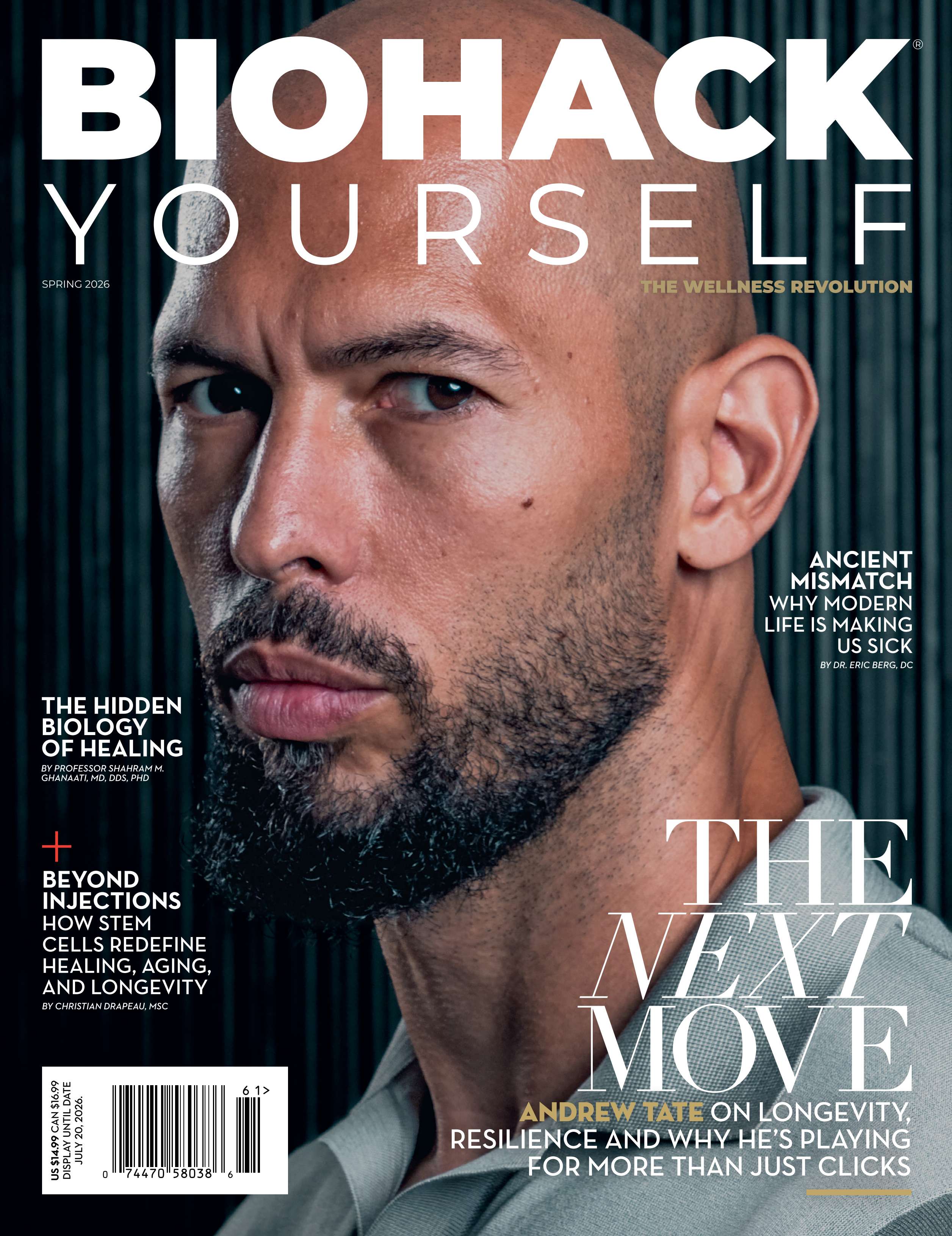
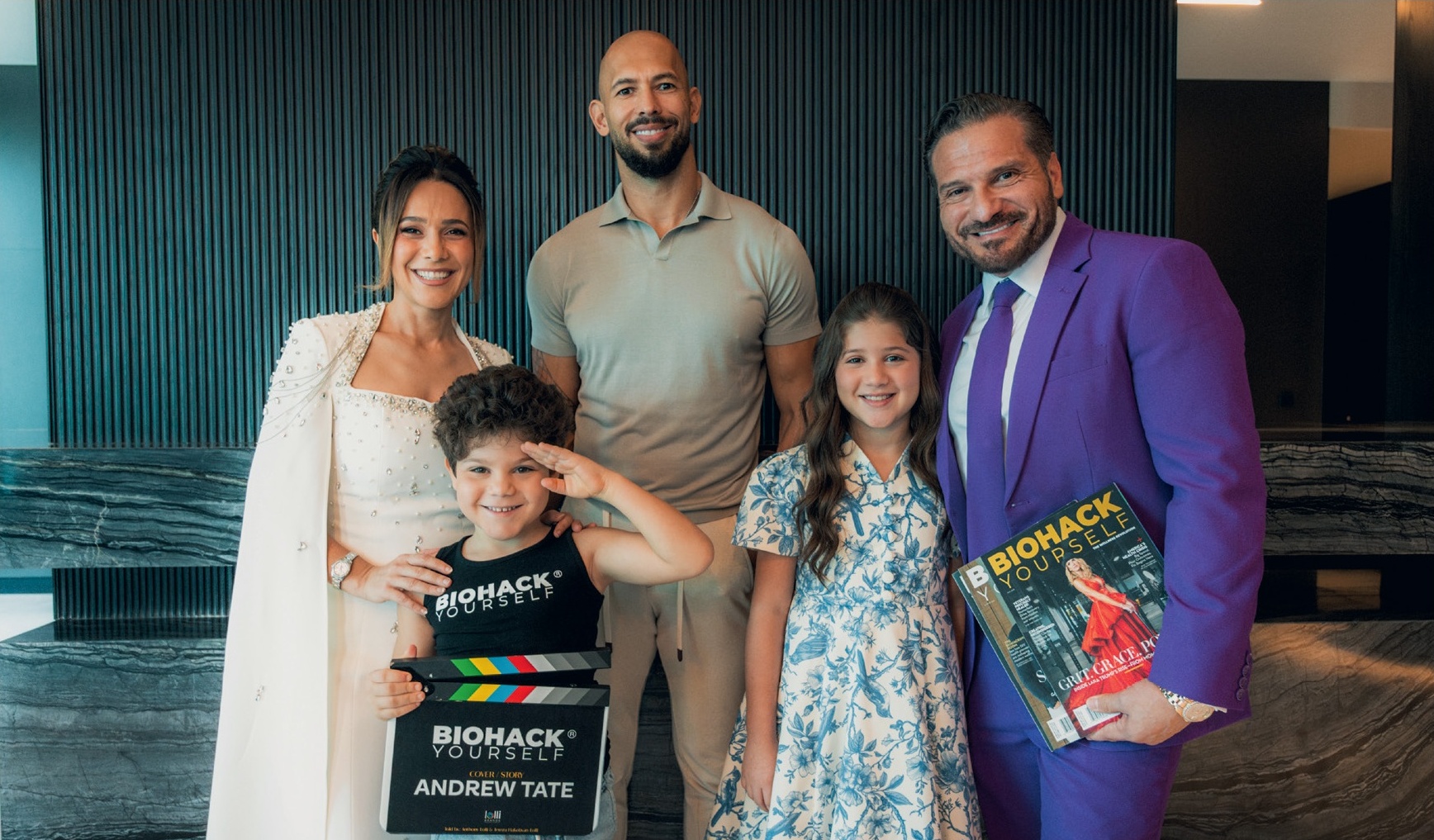
That’s why this issue is centered on Andrew Tate, in person—away from the noise, away from the clips, and outside the usual framing. We approached this conversation through health, discipline, and the quiet architecture of resilience. When we sat down with him, the goal wasn’t to reenact headlines or arguments that travel faster than context. It was to study how a human being operates under sustained pressure, and what habits, mindset, and personal responsibility look like when performance is the standard.
Beyond the cover story, we’re proud to introduce our contributors, a hand-selected, invite-only group of leaders trusted at the highest level of their fields. We curate this roster for depth, originality, and real-world results, bringing together physicians, founders, PhDs, inventors, and academics who speak with uncommon clarity and authority, helping shape the next era of health.
Inside these pages, you’ll also find the people, places, and practitioners shaping the next era of wellness in real time—from Fairways to Freedom at Mar-a-Lago to The Wall Street South Experience, Eudemonia, and Wolf Gym’s Cars and Coffee, and more. We also spotlight the growing world of biological dentistry and the leaders advancing that work forward.
At Biohack Yourself, we don’t document health from the outside. We live it first, and we bring you with us to expand what’s possible.
Warmly,


Contributors
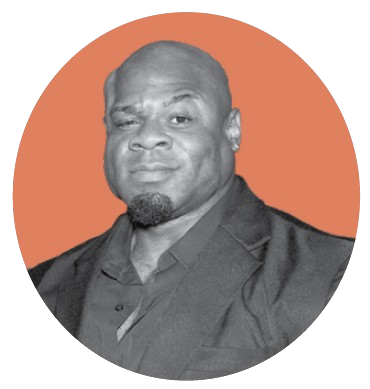
KAI GREENE
An American professional bodybuilder, actor, artist, and entrepreneur, renowned for his dramatic stage presence and elite physique. A three-time Arnold Classic champion, he earned three consecutive runner-up finishes at Mr. Olympia (2012-2014), cementing his status among bodybuilding’s modern greats. Known as “The Predator” and “The People’s Champ,” Greene expanded into film with “Generation Iron” and built successful supplement, training, and media ventures. He currently headlines the “Kai Greene Live Show” on TikTok, launched Kai Greene’s “BattleZone,” and advanced his musical project, KI Afro King, expanding his creative influence worldwide.
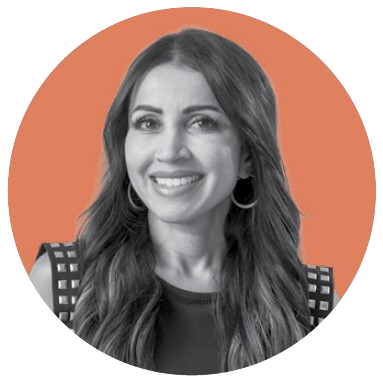
DR. AMY SHAH, MD
A medical doctor with an undergraduate degree in nutrition from Cornell University. She graduated with honors from Albert Einstein College of Medicine and holds board certifications in internal medicine from Harvard and allergy/immunology from Columbia, with several years of research experience. Over the past decade, Dr. Shah built a world-renowned wellness education platform and written the bestselling books “I’m So Effing Hungry” and “I’m So Effing Tired,” with her third, “Hormone Havoc,” releasing in 2026. A frequent guest on national media and a sought-after global speaker, she is passionate about nutrition and women’s health.
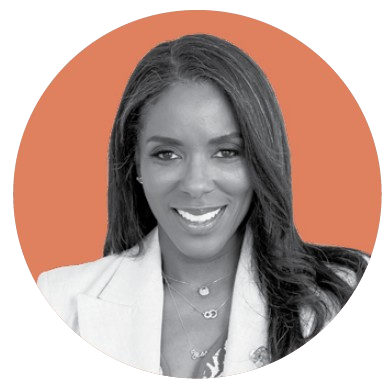
DR. JESSICA SHEPHERD, MD, MBA, FACOG
A board-certified OB/GYN, chief medical officer of Hers, and author of “Generation M,” the chart-topping book redefining women’s health. A leading voice in women’s wellness and longevity, she’s a regular on “Good Morning America” and frequently featured on “The Today Show,” CNN, “LIVE with Kelly and Mark,” Vogue, Cosmopolitan, and more. With a no-nonsense approach and deep medical expertise, she’s helping women cut through the noise, take control of their health, and feel their best at every stage of life.
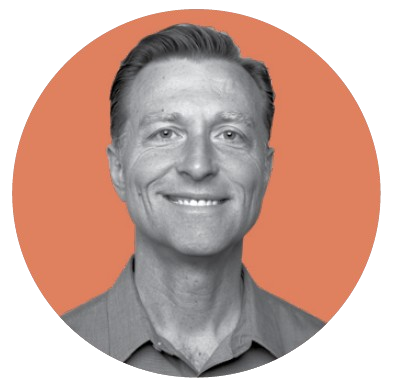
DR. ERIC BERG, DC
A health educator and bestselling author known for simplifying complex health topics and uncovering the root causes of chronic disease. With decades of experience in nutrition and natural health, Dr. Berg focuses on metabolic health, insulin resistance, intermittent fasting, keto nutrition, and the impact of modern lifestyles on the human body. His mission is to empower people with practical, science-based information so they can take control of their health naturally—without relying on symptom-suppressing drugs. Dr. Berg’s work reaches millions worldwide through his educational videos, books, and courses.
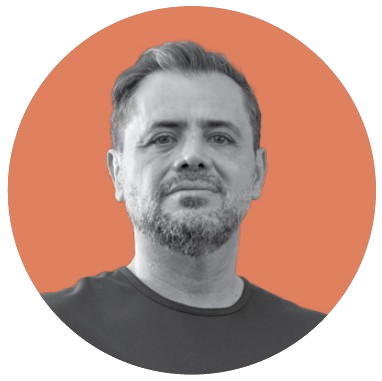
DR. ANDRÉS FERNÁNDEZ
An oral and maxillofacial surgeon and Bioregenerative Interventions Director at Trybe Health, Dr. Fernández earned his Doctor of Dental Surgery from Universidad Latina de Costa Rica and Master’s in Maxillofacial Surgery from Pontificia Universidad Javeriana. With over 20 years of experience and 15,000+ procedures, he specializes in biological dentistry, metal-free zirconia implants, and cavitation surgery. He developed protocols using PRF, ozone, and supplementation to address chronic inflammation and systemic health issues. A renowned researcher and lecturer, he focuses on biocompatible oral treatments that restore whole-body wellness.
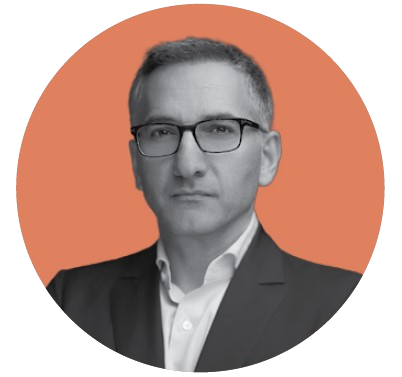
PROFESSOR SHAHRAM M. GHANAATI, MD, DDS, PHD
The chief senior physician and deputy director of Oral, Cranio-Maxillofacial and Facial Plastic Surgery at Goethe University Frankfurt, and adjunct faculty at Tufts University School of Dental Medicine. A renowned oral and maxillofacial surgeon with over 25 years of experience, he specializes in regenerative biomaterials, wound healing, and oncologic reconstruction. The founder of FORM-Lab and president of the Academy for Biological Innovations in Surgery, he developed the Covered Socket Residuum (CSR) and Guided Open Wound Healing (GOWH) concepts, pioneering regenerative strategies that connect oral and systemic health.
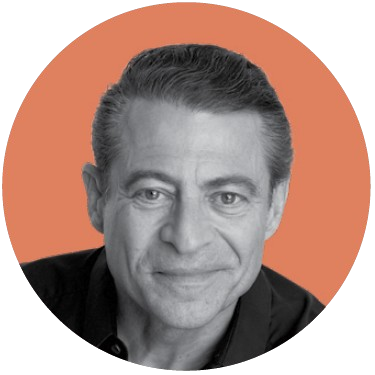
PETER H. DIAMANDIS, MD
A serial entrepreneur, futurist, technologist, bestselling author, and founder of 25+ companies. A pioneer in longevity, he co-founded Fountain Life, Lifeforce, Human Longevity Inc., Cellularity, and Vaxxinity. Named one of Fortune’s “World’s 50 Greatest Leaders,” he is the founder and executive chairman of the XPRIZE Foundation, which has launched over $600 million in incentive competitions. His venture fund, BOLD Capital Partners, deploys $600+ million into longevity startups and exponential technologies. He has authored six books, including four New York Times bestsellers. Dr. Diamandis earned his BS and MS from MIT and his MD from Harvard Medical School.
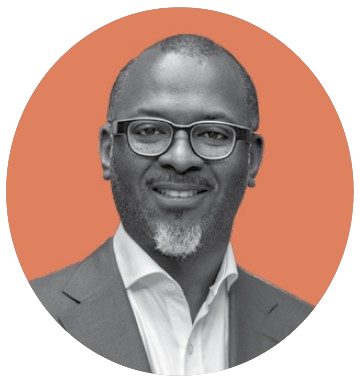
DR. SAMMY NOUMBISSI, DDS, MS
A leader in ceramic implantology and biological dentistry. Born in Cameroon, he earned his DDS from Howard University in Washington, DC, and a Master’s degree in Implant Surgery from Loma Linda University in California. Among the first in North America to adopt ceramic implants, he has authored over 50 publications and book chapters on ceramic metal-free implantology. Dr. Noumbissi is the founder and president of the International Academy of Ceramic Implantology, advancing education and research on dental bioceramics. He is a visiting faculty member in Europe with a private practice in Silver Spring, Maryland.
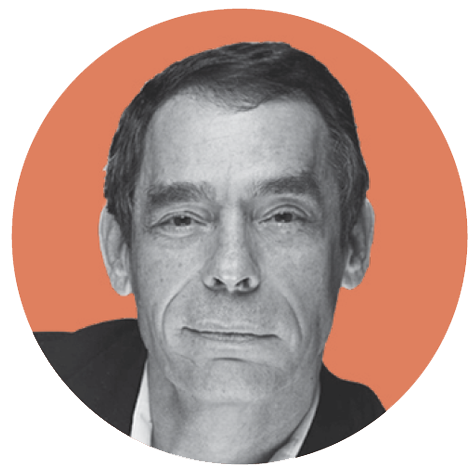
DR. MARK L. GORDON, MD
A board-certified physician specializing in interventional endocrinology, neuroendocrinology, and traumatic brain injury (TBI). He is the founder of Millennium Health Centers, Inc., and a medical advisor to many veterans 501c3 organizations. Dr. Gordon has pioneered neurosteroid-based therapies for TBI and neuropsychiatric conditions, lectured at Walter Reed, Fort Bragg, and internationally, and developed an AI system for interpreting trauma-related biomarkers. He has authored several books and appeared in “Quiet Explosions.” His work has transformed care for thousands of veterans and civilians suffering from neuroendocrine dysfunction.
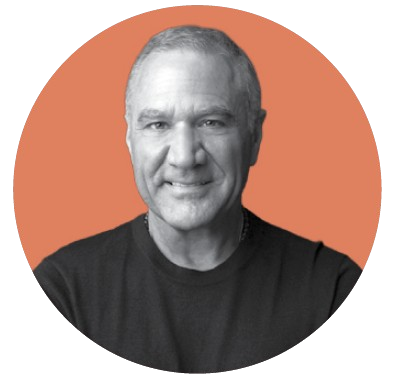
CHRISTIAN DRAPEAU, MSC
Neurophysiology and stem cell scientist Christian Drapeau, MSc, is a leader in the field of stem cell research and regenerative health. He was the first to propose that stem cells constitute the repair system of the human body, published in Medical Hypotheses in 2002 and then in his best-selling book, “Cracking the Stem Cell Code”, in 2010. With over two decades of pioneering stem cell research, Drapeau founded STEMREGEN®, an award-winning supplement company that harnesses plant extracts to enhance stem cell function and support the body’s natural repair system. Drapeau has been featured in The New York Times, Men’s Health, as well as Inc., where he revealed his own productivity biohack.
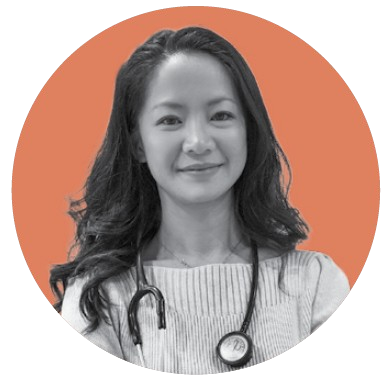
DR. VIVIAN CHEN, MBBS, MRCP, MRCGP
A co-founder of LUMEBOX and the founder of Plateful Health. She is a UK-trained physician with 15 years of clinical experience in internal and family medicine, with additional specialist training in dermatology. Now based in the San Francisco Bay Area, she helps people address the root causes of chronic health challenges, with a particular focus on mitochondrial health and the effects of environmental toxins. Through her Instagram platform @plateful.health, she shares practical, evidence-based education on how everyday exposures influence energy, hormones, and long-term health.
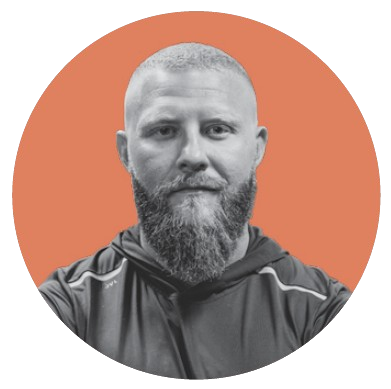
PHIL DARU
A globally recognized thought leader in human performance, leadership, and resilience. He is the CEO of Daru Strong Performance, founder of Daru Strong Nutrition (DSN), and creator of the Daru Academy. For more than 16 years, Phil has helped world champions, elite athletes, and high performers unlock physical and mental potential, training hundreds of professional athletes, including UFC champions and tactical operators. His impact now extends beyond sport through keynote speaking, education programs, and the “True Talk” Podcast, where he teaches mindset, discipline, and leadership principles to help individuals and organizations win in business, life, and faith.
The Second Peak
WHY LONGEVITY IS MY NEXT STAGE
A bodybuilder redefines gains through longevity, resilience, and long-term performance.
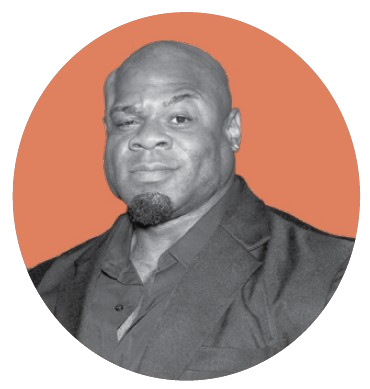
F OR MOST OF my life, gains meant the same things every time—more size, more density, more separation, more control. Every decision I made revolved around improving my game as a bodybuilder. I trained with intention, ate with precision, slept when I had to, and pushed my body to represent the highest level of physical expression I could reach at that time. But when you spend decades chasing peak performance, the question eventually changes: what do gains look like on the other side of competition?
I do not believe my evolution has stopped or that my best is behind me. What I do recognize is that I am entering a different arena—one defined less by stage weight and more by what I think of as life weight.
For years, I optimized for aesthetics and competitive dominance. Now, my focus has shifted toward longevity, health span, and functional living. I still want to run. I still want agility. I still want to perform. The difference is that I want to be able to do these things decades from now with strength, clarity, and resilience.
Muscle has always been medicine for me. Long before the word biohacking became popular, I was biohacking through disciplined nutrition, hydration, resistance training, and flexibility work. I treated my body like a laboratory, constantly testing, adjusting, and refining.
What has changed is not the discipline, but the lens through which I apply it.
I am no longer focused only on how I look under stage lights. I am focused on how I function in real life—as an actor, as a personality, and as a man stepping into his next chapter.
That shift naturally brings a degree of downsizing. I no longer feel the need to carry 330 pounds or to chase sheer mass for its own sake. My priority is health and strength that can be sustained over time. Looking good still matters to me, but feeling strong, mobile, and mentally sharp matters more.
One of the most powerful impressions on me came years ago while filming overseas. The director, who was in his late fifties or early sixties, insisted on performing his own stunts—large jumps, close-quarter combat, demanding coordination under pressure—without harnesses or shortcuts. What stood out was not just his muscles, but the integration of tendon strength, soft tissue resilience, cognitive sharpness, and fluid, real-world movement. Watching him leap, land, recover, and repeat demonstrated something deeper than conditioning; it embodied longevity in motion and health expressed across multiple planes, far beyond sets and reps. That experience stayed with me.
Today, I am stepping into this era as a student again. When I first entered bodybuilding, I approached it with an open mind, listening carefully, studying intensely, testing methods, and learning through experience. I am applying that same mindset to longevity science.
Anthony and TereZa Lolli invited me to contribute to Biohack Yourself magazine not only because of my background but also because of my perspective. We built a relationship while filming the documentary “The Guru,” and that conversation evolved into this next chapter. I realized I have something to offer here—not only from what I know, but from what I am willing to learn publicly.
“I am no longer focused only on how I look under stage lights. I am focused on how I function in real life.”
I am entering this phase as a blank canvas. There are modalities I have never tried—hyperbaric therapy, red light therapy, infrared sauna, ozone therapy—because I have operated primarily on an old-school foundation of disciplined diet, hydration, resistance training, and flexibility. That foundation remains solid, but now I am layering on new awareness.
If I were starting this journey from zero, the first place I would begin is gut health. Years ago, during contest prep, I took a body fat measurement that shocked me. Although I looked stage-ready, the numbers told a different story. The experience affected me psychologically and exposed how limited my internal awareness was compared to how precisely I managed my external appearance. Now, instead of avoiding deeper testing, I want to face it directly. I want data that helps me understand digestion, inflammation, and microbiome balance, because the gut is not just about visible abs; it influences absorption, immunity, and mental clarity.
I am also exploring peptides and structured optimization strategies, but never randomly or impulsively. The emphasis is on intention, education, and a clearly defined plan. This stage of life is about what I call swapportunities—the practice of replacing habits that no longer serve you with choices that elevate you. It means exchanging unconscious behaviors for conscious ones, reactive decisions for analytical ones, and blind intensity for intelligent progression. That philosophy is what built my physique, and it is the same philosophy that will shape my longevity.
Sleep has become another area of renewed focus. At one point, weighing over 300 pounds, I was diagnosed with sleep apnea, an experience that revealed how oxygen deprivation can affect cognitive function and overall performance. I once prided myself on functioning with six hours of sleep—sometimes even four—and wore that as proof of discipline. I now understand that quality sleep is not a weakness but a powerful lever for recovery, neurological restoration, and long-term health.
Flexibility remains a core pillar. Fascia health, agility, and multi-directional movement are not optional extras; they are protective measures that safeguard future performance.
This new championship is no longer about defeating another competitor on stage. It is about outlasting limitation, slowing the pace of aging, and entering my sixties, seventies, and beyond with strength that feels both earned and maintained. I still intend to act, to perform, and to represent a high standard, but that standard has expanded to include sustainability and vitality.
To me, biohacking is not a trend but the conscious pursuit of optimized living—the willingness to test, refine, and evolve long after formal competition ends. I am not chasing youth; I am pursuing vitality. I am not trying to grow old gracefully; I am working to grow capable, deliberately, and with purpose.
This is the new era of gains—gains that extend beyond muscle into the quality and durability of life itself. And I am approaching it the same way I approached every stage in my career: focused, curious, disciplined, and open to becoming stronger in ways that matter most over time.
Eat with Intention
WHY 30-30-3 SHOULD BE THE NEW NUTRITION PARADIGM
A simple daily framework: protein early, fiber daily, and fermented foods—built for steady energy and a healthier gut.
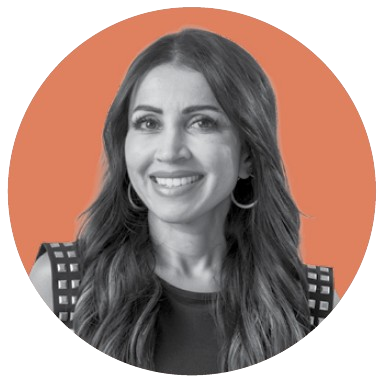
F OR SO LONG nutrition advice has focused on what to avoid: carbs, fat, calories, sugar. But research has proven this not to be true and showed that health is built by intentionally fueling the body with the right nutrients—especially protein, fiber, and probiotics that support the gut.
That’s the thinking behind my nutritional framework, 30-30-3: 30 grams of protein in your first meal, 30 grams of fiber throughout the day, and 3 probiotic-rich foods daily.
This simple structure shifts the conversation from food fear to food strategy. And more importantly, it aligns with how our metabolism, hormones, and gut microbiome actually work.
The most important part of the 30-30-3 framework is what happens at the first meal.
When I consistently hit 30 grams of protein early in the day, everything feels better—my energy, my focus, my mood. The science strongly supports the idea that when you eat, protein matters just as much as how much you eat. Research shows that consuming more protein earlier in the day leads to fewer blood sugar swings, which translates to steadier energy levels and fewer cravings later on (PMID: 36615743). Blood sugar stability is foundational, not just for people with metabolic disease, but for anyone who wants sustained mental clarity and balanced appetite.
There’s also evidence that early protein intake supports muscle health which is huge when you are in perimenopause and menopause. A study found that people who consumed more of their daily protein earlier in the day had higher lean muscle mass (PMID: 38219154). Your body uses protein more efficiently when it’s consumed earlier, in part because muscle protein synthesis follows circadian rhythms that are influenced by when we eat. Protein timing also affects appetite hormones. In one classic study, a higher-protein first meal led to increased satiety signals and lower levels of ghrelin, the hormone that drives hunger (PMID: 16469977).
Getting in protein early helps regulate your appetite for the rest of the day. This is why 30 grams matters—it’s a metabolic signal that sets the tone for the next 12–16 hours.
The second pillar of 30-30-3 is 30 grams of fiber per day which some people say is a lot, but it’s actually easier than you think.
Fiber does far more than “keep you regular.” It acts as a prebiotic, feeding beneficial gut bacteria that produce short-chain fatty acids, compounds that reduce inflammation, and support metabolic and colon health. Higher fiber intake has been linked to lower inflammation, improved insulin sensitivity, and reduced risk of chronic disease.
“30 grams of protein is a metabolic signal that sets the tone for the next 12–16 hours.”
In younger adults, the rates of colon cancer are rising. Fiber has been overlooked in this generation, despite being one of the most important nutrients for protecting colon health.
Let’s say you add 1 tablespoon of chia seeds to your yogurt in the morning and have an avocado on the side: that’s 15 grams right there. Or you have oatmeal with raspberries on top and a pear on the side, that’s around 17 grams of fiber.
A study found that eating 25–29 grams of fiber per day could help lower rates of heart disease, type 2 diabetes, and certain cancers by 30% (doi: 10.1016/S0140-6736(18)31809-9). Aim for soluble fiber, which is super beneficial for gut and metabolic health. Think oats, apples, beans, lentils, chia seeds, and flax. These foods nourish the microbiome while supporting cholesterol balance and glycemic control.
The final part of 30-30-3 focuses on the gut microbiome: 3 probiotic foods per day.
Probiotic-rich foods help maintain microbial diversity in your gut, which is increasingly recognized as a hub for your immune health, metabolic function, and even mental well-being.
A 10-week clinical trial from Stanford School of Medicine found that people who regularly consumed fermented foods experienced greater gut microbiome diversity, along with a reduction in inflammatory proteins in the blood (doi: 10.1016/j. cell.2021.06.019).
This highlights an important shift in how we think about probiotics. It’s important to be consistent and I prefer getting these probiotics through food rather than supplements. Some of my favorites are:
-
Yogurt
-
Kefir
-
Kimchi or sauerkraut
-
Tempeh or miso
• Apple cider vinegar What makes 30-30-3 different from traditional diet advice is its simplicity and its respect for human biology. I wanted to create something that’s easy to follow and is achievable, even during our busy lives.
Nutrition doesn’t have to be complicated to be effective. Sometimes, the most powerful paradigm shifts come from focusing on what truly matters.
What No One Tells You
MENOPAUSE ISN’T THE END; IT’S A RESET MOST WOMEN NEVER LEARN TO USE
Why midlife can be a physiological turning point that, when handled correctly, is not a decline.
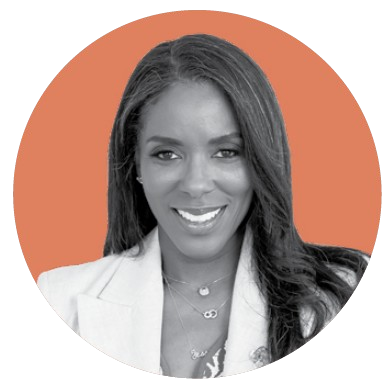
L ONGEVITY ISN’T JUST about how long we live. It’s about how alive we feel. True vitality shows up in our energy, our hormones, our sleep, our muscles, our mood, and our overall sense of self. And for women, midlife is not a slow fade into invisibility or fragility. It is a powerful reset, an invitation to build strength, resilience, and joy from the inside out.
I say this not only as a midlife physician, but as a woman who has lived it.
My midlife wake-up call was even more surprising for me, as an OB/GYN and menopause expert.
No one tells you that midlife doesn’t arrive with a dramatic crash. It sneaks in quietly. One day you’re doing “all the right things,” and the next you’re wondering why your sleep is trash, your workouts feel harder, your patience is thinner, and your body suddenly feels… unfamiliar.
For me, the signs weren’t catastrophic, but they were persistent. Fatigue that no amount of coffee could fix. Sleep that looked fine on paper but felt useless in practice. A body that didn’t respond the way it used to, despite discipline and knowledge. And the sneaky voice many women hear: “Is this just how it is now?”
I even had moments where I underestimated how profound this transition could be.
That’s when it hit me: if I was recalibrating in real time, how many women were struggling silently, thinking they were failing instead of realizing their physiology had changed?
In my practice, I see women who are accomplished, intelligent, and deeply capable yet completely blindsided by midlife.
They say things like:
“I don’t recognize my body anymore.”
“I’m doing more and getting less.”
“I feel tired, but it’s deeper than fatigue.”
“I was told this was normal, but it doesn’t feel acceptable.”
And here’s the truth: they’re not broken. They’re under-informed.
Perimenopause and menopause are not simply the end of reproduction—they are a whole-body transition. As ovarian hormone production declines, nearly every system feels the ripple effect: metabolism, brain health, bone density, cardiovascular health, sleep regulation, mood, and muscle mass.
This isn’t a decline. It’s a physiological turning point. And when handled correctly, it can be one of the most powerful health resets of a woman’s life.
Let’s talk about movement, not as punishment, but as medicine.
Exercise remains one of the most universally effective longevity tools we have. But for women in midlife, it becomes essential. Regular movement improves mitochondrial function (your energy factories), reduces inflammation, supports hormonal balance, and enhances brain health.
Strength training deserves its own standing ovation. As estrogen declines, bone density and lean muscle mass are at risk. Resistance training helps preserve both, reducing fracture risk, improving insulin sensitivity, and supporting metabolic health. Translation? You stay strong, capable, and independent longer.
And no…you don’t need to live in the gym. Consistency beats intensity every time.
One of the most overlooked aspects of female longevity is ovarian health.
When ovarian hormone production declines, the impact extends far beyond hot flashes. Estrogen plays a role in protecting bones, the brain, the heart, and even the gut. Ignoring this shift doesn’t make it disappear. It just makes the consequences louder.
Hormone replacement therapy (when appropriate and individualized) is not about vanity or denial of aging. It is a medical tool that can protect long-term health when used thoughtfully, alongside nutrition, movement, stress management, and sleep support.
Midlife care should never be one-size-fits-all, but it should be proactive.
Sleep disruption is one of the most common—and debilitating—symptoms of perimenopause and menopause. Sleep loss is an energy crisis and not a luxury.
And no, it’s not just “getting older.”
When sleep suffers, everything suffers: metabolism, mood, memory, immune function, and cardiovascular health. Restoring sleep means addressing hormones, nervous system regulation, stress, and lifestyle patterns together. When women start sleeping again, they often say the same thing: I feel like myself.
That’s not a coincidence. That’s physiology responding to support.
Midlife is where power returns if you claim it, and here’s what I want every woman to know: midlife is not the beginning of the end. It’s the moment you stop outsourcing your health to outdated narratives. This is the chapter where you:
-
Build muscle instead of shrinking
-
Protect your brain instead of fearing decline
-
Prioritize sleep without apology
-
Use modern medicine and lifestyle tools
-
Redefine strength on your own terms Menopause is not something to “get through.” It’s something to get through with intention.
TAKEAWAY TIPS TO GET ON TRACK IN MIDLIFE
Lift heavy things regularly – Strength training 2–3 times per week is non-negotiable for longevity.
Move daily – Walking, mobility, and consistency matter more than perfection.
Fuel for hormones – Prioritize protein, fiber, and micronutrients that support metabolic and hormonal health.
Protect your sleep – Treat sleep restoration as medical care, not a bonus.
Have informed conversations – About hormones, longevity, and what your body actually needs now.
Build community – Midlife is not meant to be navigated alone.
If this resonates, I invite you to go deeper.
“Generation M” is my book, written to help women understand this transition with clarity, confidence, and empowerment, without fear or fluff. Modern Meno, the community I created, exists so women never have to walk this journey alone. Because when women are informed, supported, and invested in their health together, midlife becomes a beginning and not an ending.
Menopause isn’t the end. It’s the reset most women were never taught how to use.
Evolutionary Health
THE ANCIENT MISMATCH
Why modern life is making us sick.
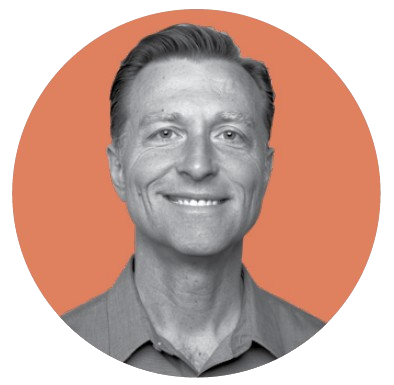
O NE OF THE most important concepts in health, and one that is almost completely ignored by conventional medicine, is something called ancestral mismatch. This single idea explains why so many people today are dealing with obesity, diabetes, autoimmune disease, depression, anxiety, fatigue, hormonal problems, and chronic inflammation, even when they’re “doing everything right.”
To understand ancestral mismatch, we have to start with a simple truth: Your body was not designed for the modern world.
WHAT IS ANCESTRAL MISMATCH?
Ancestral mismatch refers to the gap between the environment your genes evolved in and the environment you’re currently living in. Your DNA hasn’t changed much in the last 10,000 to 40,000 years. But your environment has changed radically, especially in the last 100 years.
For over 99% of human history, our ancestors lived in a world with:
-
Real, unprocessed food
-
Long periods without eating
-
Daily movement
-
Natural sunlight
-
Darkness at night
-
Cold exposure
-
No refined sugar
-
No seed oils
-
No chronic stress from notifications, screens, and artificial lighting Now compare that to modern life.
THE MODERN ENVIRONMENT IS BIOLOGICALLY ABNORMAL
Today, we live in a world of:
-
Ultra-processed foods
-
Refined carbohydrates and sugar are everywhere
-
Industrial seed oils
-
Constant snacking
-
Artificial light 24/7
-
Blue light at night
-
Chronic psychological stress
-
Sedentary lifestyles
-
Environmental toxins
-
Prescription drugs for symptoms, not causes
From an evolutionary standpoint, this is completely unnatural. Your body is still running ancient survival software, but it’s being fed modern inputs it was never designed to handle.
That’s the mismatch.
FOOD IS THE BIGGEST MISMATCH OF ALL
Let’s talk about food.
Your ancestors did not eat six times a day. They did not eat refined flour. They did not eat sugar. They did not eat seed oils like soybean oil, canola oil, or corn oil. They did not eat artificial flavors, preservatives, or emulsifiers.
Food used to be seasonal, scarce, and nutrient-dense.
Today, food is constantly available, hyper-palatable, nutrient-poor, and designed to override satiety signals.
This constant intake keeps insulin elevated all day long. And chronically high insulin is the root cause of weight gain, Type 2 diabetes, fatty liver, inflammation, and hormonal imbalances.
Your ancestors experienced feast and famine. You experience feast and feast.
THE LOSS OF FASTING IS A HUGE PROBLEM
Intermittent fasting isn’t a trend; it’s a return to biology.
For most of human history, people naturally went long periods without food. This activated powerful repair mechanisms, like:
-
Autophagy
-
Fat burning
-
Insulin sensitivity
-
Mitochondrial renewal
Modern humans rarely fast. Instead, we snack from the moment we wake up until the moment we go to bed. This shuts down repair processes and keeps the body locked in storage mode.
It’s not that your body is broken. It’s responding perfectly to the wrong environment.
“Fix the mismatch and health becomes the natural outcome.”
LIGHT, SLEEP, AND CIRCADIAN DAMAGE
Another massive ancestral mismatch is light exposure.
Your ancestors woke up with the sun and went to sleep when it got dark. Darkness triggered melatonin, which repairs DNA, supports immune function, regulates hormones, and protects against cancer.
Now, we live under artificial light at night, staring at screens that suppress melatonin and confuse the brain. This circadian disruption is directly linked to:
-
Insulin resistance
-
Depression
-
Anxiety
-
Poor sleep
-
Hormonal chaos
You can eat perfectly, but if your circadian rhythm is destroyed, your metabolism will still suffer.
MOVEMENT: DESIGNED TO MOVE, FORCED TO SIT
Humans evolved as endurance movers. Walking. Carrying. Squatting. Climbing.
We were never meant to sit for 8–12 hours a day. Sitting shuts down lymphatic flow, weakens mitochondria, reduces insulin sensitivity, and accelerates aging.
Exercise isn’t optional—it’s a biological requirement.
WHY MEDICINE MISSES THE POINT
Modern medicine focuses on managing symptoms, not correcting mismatches.
High blood sugar? Take a drug.
High cholesterol? Take a statin.
High blood pressure? Take a pill.
But these are adaptive responses to an unnatural environment.
Instead of asking, “What drug fixes this?”
We should be asking, “What environmental mismatch is driving this condition?”
THE SOLUTION: RETURN TO YOUR BIOLOGY
Health isn’t about doing something extreme. It’s about removing what doesn’t belong. Here’s how you reduce ancestral mismatch:
-
Eat real food
-
Cut sugar and refined carbs
-
Eliminate seed oils
-
Practice intermittent fasting
-
Get sunlight in the morning
-
Avoid blue light at night
-
Prioritize sleep
-
Move daily
-
Reduce chronic stress
When you align your lifestyle with your biology, the body doesn’t need to be forced; it self-corrects.
Your body is not weak. Your genes are not defective. You’re not broken. You’re simply living in an environment that your biology doesn’t recognize.
Fix the mismatch, and health becomes the natural outcome.


Done