
Editors’ Letter
THE FAMILY FORMULA FOR LONGEVITY

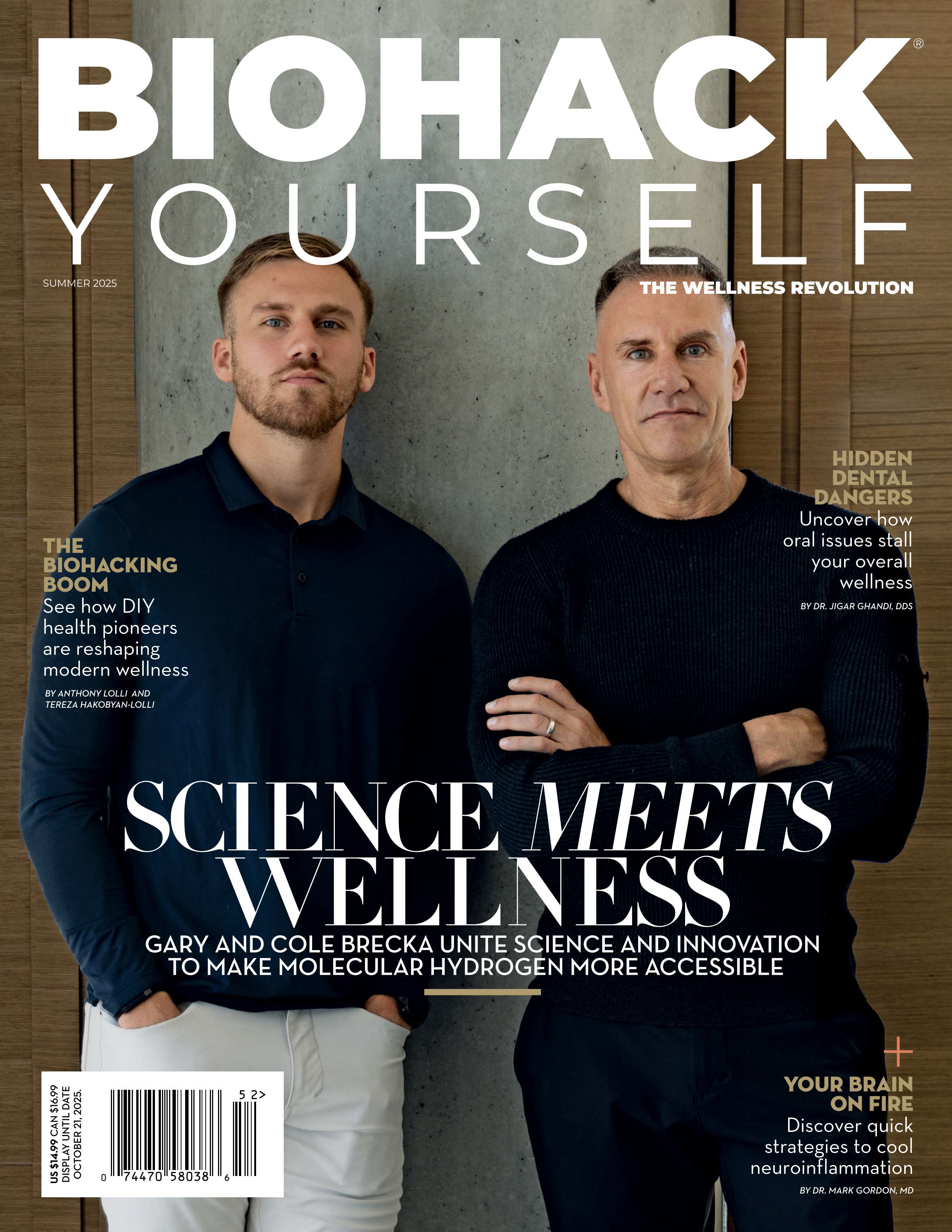
A S WE UNVEIL our second issue of Biohack Yourself magazine, we’re reminded that biohacking is no longer a solo mission. It’s a family affair. And no family embodies this truth more powerfully than the Brecka family.
From the outside, you might know Gary Brecka as a top longevity expert, performance scientist, and co-founder of H2TAB. But what you’ll discover in this issue is the deeper story: biohacking, for the Breckas, is not just a profession—it’s a lifestyle, a belief system, and a generational commitment. Gary’s wife, Sage, not only champions the mission behind the scenes but also brings her own wisdom as a guiding force in their health journey. Their son, Cole, is emerging as a next-gen wellness leader in his own right.
Gary, Sage, and Cole aren’t carrying the torch alone. Quietly but powerfully, other members of the Brecka family have joined the mission, working to scale the impact. It’s a family enterprise driven by a legacy of unlocking human potential.
We chose the Brecka family for our cover because they live and breathe what we stand for: making wellness accessible, actionable, and intergenerational. From blood testing to breathwork, science-backed stacks to selfless service, they model what it means to optimize health not only for oneself but for those you love. We dive into the Breckas’ role in transforming a personal breakthrough into a global wellness movement—their story reflects the evolution of biohacking from fringe to foundational.
In this issue, you’ll also find exclusive coverage of the “Oscars of Longevity” premiere, cutting-edge insights into metabolic health and female biology, and a deeper look at why peer review is redefining the gold standard in modern wellness media.
Whether you’re a parent, partner, or practitioner, we invite you to see your wellness journey as part of something bigger. Because biohacking isn’t just about the body. It’s about the bond. And when families hack together, they thrive together.
Here’s to health, heritage, and the human potential we unlock when we do it as one.
Warmly,

Contributors

DR. AMANDA HANSON
A clinical psychologist, author, and speaker, widely known as the Midlife Muse, Dr. Hanson is dedicated to transforming the narrative of womanhood. With over 27 years of experience, she integrates traditional psychology with ancient holistic practices to empower women to embrace aging and reclaim self-worth. Her book, “MUSE: The Magnetism of Women Who Stop Abandoning Themselves,” has resonated globally, offering insights on self-love and empowerment. Dr. Hanson also leads retreats and programs through her platform, Midlife Muse, and hosts the “Revolutionizing Midlife” podcast, fostering a community that celebrates the spiritual journey of aging and feminine strength.
DR. DANIEL POMPA
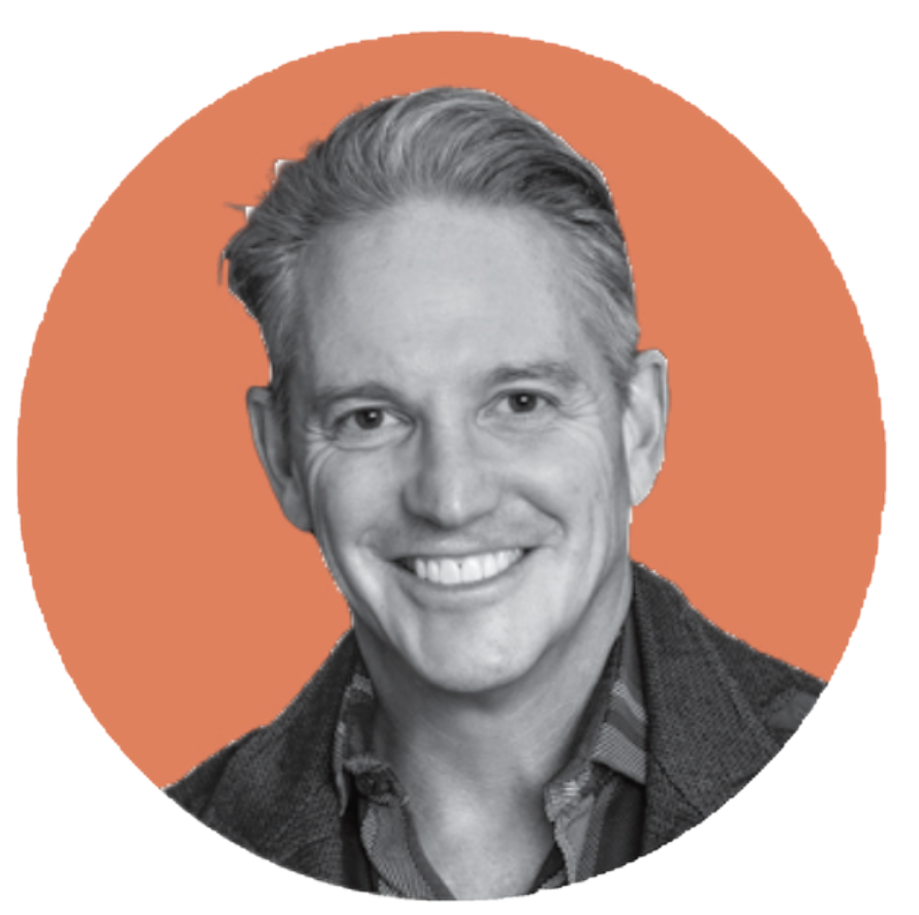
A health expert, author, and speaker who helps people recover from chronic, unexplained illness using principles he discovered through his own healing journey. After developing mysterious symptoms, he spent years researching and ultimately found answers that now help millions. He founded the Pompa Program, Health-Centers.com, and Cellular Solutions, and authored Cellular Healing Diet and Beyond Fasting. Today, he trains practitioners and educates the public on his cellular healing protocols, speaking worldwide with a mission to bring hope and real solutions to those who are suffering.”

DR. MARK GORDON, MD
A board-certified physician specializing in interventional endocrinology, Neuroendocrinology, and traumatic brain injury (TBI). He is the founder of Millennium Health Centers, Inc., and a medical advisor to many Veterans 501c3 organizations. With over four decades of experience, Dr. Gordon has pioneered neurosteroid-based therapies for TBI and neuropsychiatric conditions, lectured at Walter Reed, Fort Bragg, and internationally, and developed an AI system for interpreting trauma-related biomarkers. He has authored several books and appeared in the acclaimed documentary “Quiet Explosions.” His work has transformed care for thousands of veterans and civilians suffering from neuroendocrine dysfunction.
DR. GARETH MORRIS-STIFF
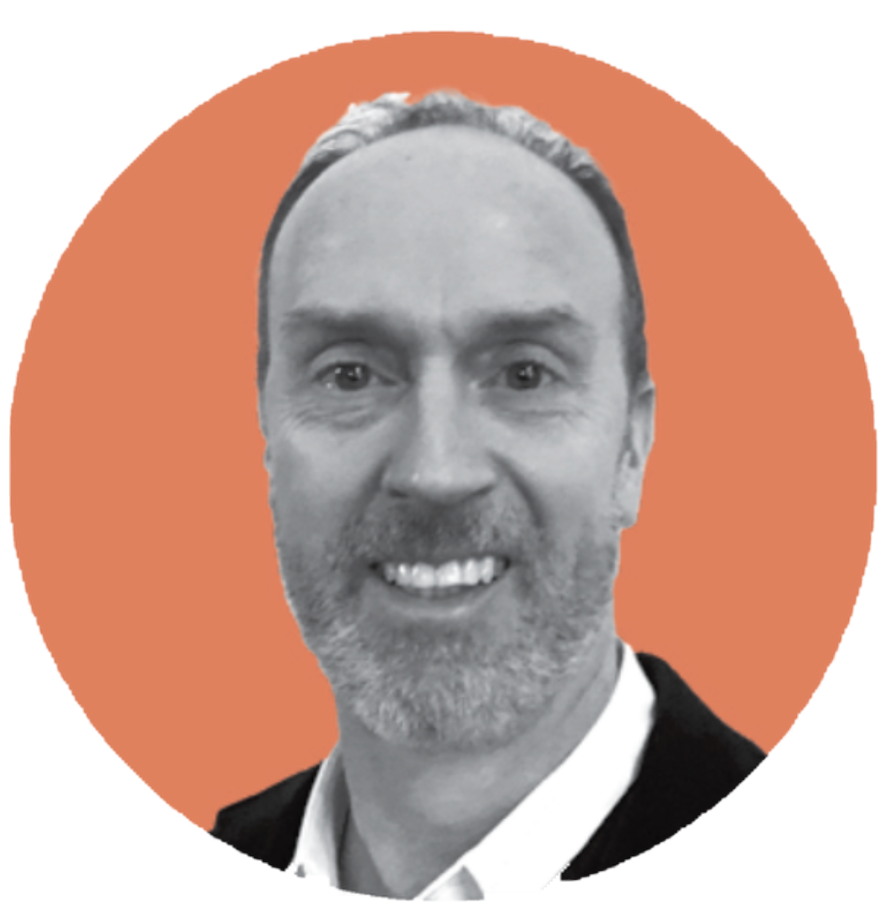
The Global Chief Medical Officer of The Liver Clinic, advancing early screening and intervention for metabolism dysfunction-associated fatty liver disease (MAFLD). A former HPB surgeon with 28 years of experience in the UK and at the Cleveland Clinic, he also drives innovation in biopharma, developing therapies for liver and pancreatic cancers. Dr. Morris-Stiff holds an MBBCh, MD, MCh, and PhD, and is a Fellow of both the Royal College of Surgeons and the American College of Surgeons. He is currently earning a Doctor of Science in Ayurvedic medicine and has authored over 250 publications.
DR. WHITNEY BOWE
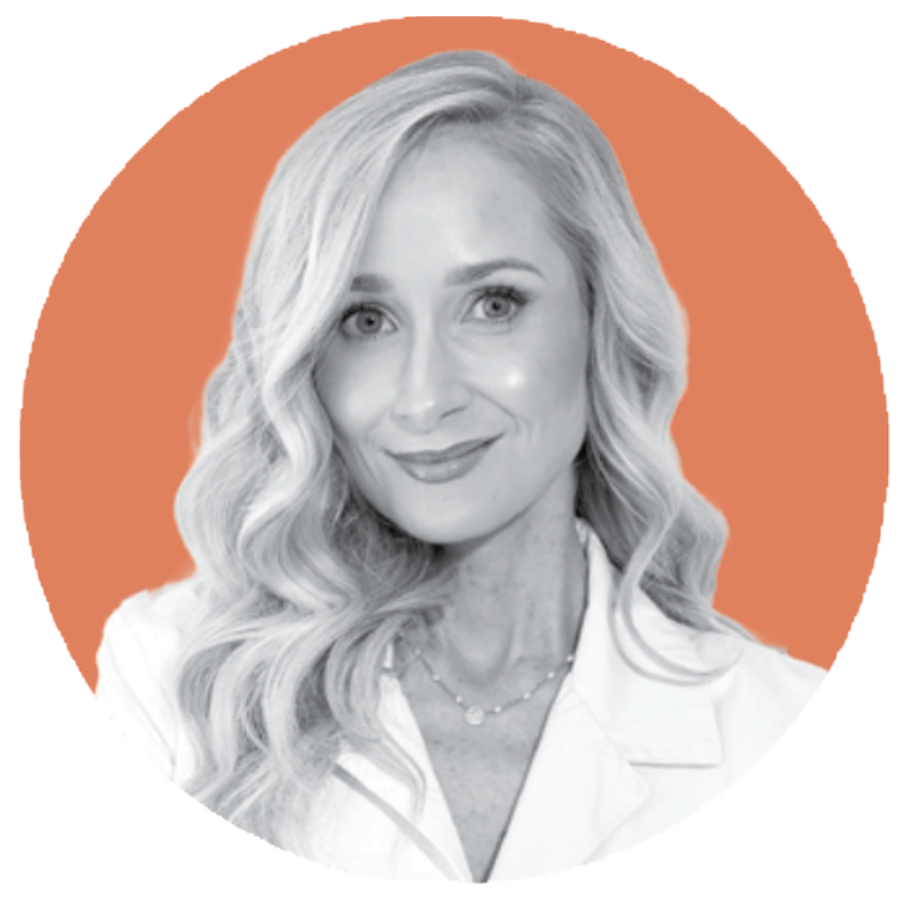
A board-certified dermatologist and research scientist, she is renowned for her innovative skincare approach, emphasizing the skin-gut-brain connection. Her philosophy, “beauty from the inside out,” combines integrative medicine with cutting-edge science. Founder of Dr. Whitney Bowe Beauty and bestselling author of “The Beauty of Dirty Skin”, she introduced “skin cycling,” a method balancing active treatments with recovery nights to optimize skin health. She shares her expertise through national TV appearances, scientific publications, and social media, engaging millions. Her work empowers individuals to make informed skincare choices rooted in science and self-care, solidifying her as a trusted voice in wellness and beauty.

JOSSELYNE HERMAN-SACCIO
A master coach in the Art of Being Unmessablewith, empowering people to live the life of their dreams now—not someday. With over 30 years of experience, she’s worked with more than 200,000 individuals, from CEOs and creatives to trauma survivors and activists, producing transformative results in all areas of life. As the founder of United Global Shift, she’s led programs in over 20 countries and raised nearly $90 million for nonprofits. Josselyne is also a former Billboard #1 pop artist, author, entrepreneur, and TEDx speaker. Wife and mother of three, she splits her time between New York and Paris.

UDO ERASMUS
A Canadian health pioneer, author, and founder of Udo’s Choice. Best known for his groundbreaking book “Fats That Heal, Fats That Kill”, he brought essential fatty acids like omega-3s into the public spotlight. After experiencing pesticide poisoning in the 1980s, Udo turned to natural health and nutrition, developing a method for creating unrefined, cold-pressed oils. His work has influenced the natural health industry for decades, promoting holistic wellness and proper fat consumption.
Today, Udo continues to educate on nutrition, health, and human potential through speaking, writing, and media appearances.

DALE E. BREDESEN, M.D.
After receiving an undergraduate degree from Caltech and an MD from Duke, he completed a postdoctoral fellowship in Nobel laureate Stanley Prusiner’s lab. He held faculty positions at UCSF, UCLA, and UCSD before becoming Founding President and CEO of the Buck Institute. His lab explored neurodegeneration mechanisms, publishing over 230 papers and reporting the first reversal of cognitive decline in Alzheimer’s disease, influencing neurology practice. Author of three New York Times bestsellers, he now directs the Pacific Neuroscience Institute’s precision medicine program for neurodegenerative diseases.

NADINE ARTEMIS
Founder of Living Libations and author of “Holistic Dental Care” and “Renegade Beauty”, named one of “The Top 10 Books on Skin Care” by The Strategist. A respected media guest and contributor, her products have been praised by The New York Times, LA Times, Elle, People, Vogue, and Hollywood Reporter. Described by Alanis Morissette as “a true-sense visionary,” Nadine crafts elegant, healing formulations from rare botanicals that have skin glowing worldwide. Her Renegade Beauty philosophy promotes effortlessness and inspires a rethinking of conventional beauty and wellness.

DR. JIGAR GANDHI, DDS
A leading biological dentist trained at Stony Brook School of Dental Medicine, with advanced certifications from Tufts University, The Academy for Biological Innovations in Surgery, and The Institute of Biological Dentistry. Specializing in minimally invasive techniques to address hidden oral infections linked to chronic conditions, Dr. Gandhi creates personalized treatment plans that restore health from the inside out. Through continual learning and collaboration with field leaders, he remains at the forefront of biological dentistry, helping patients achieve lasting wellness through the connection between oral and overall health.
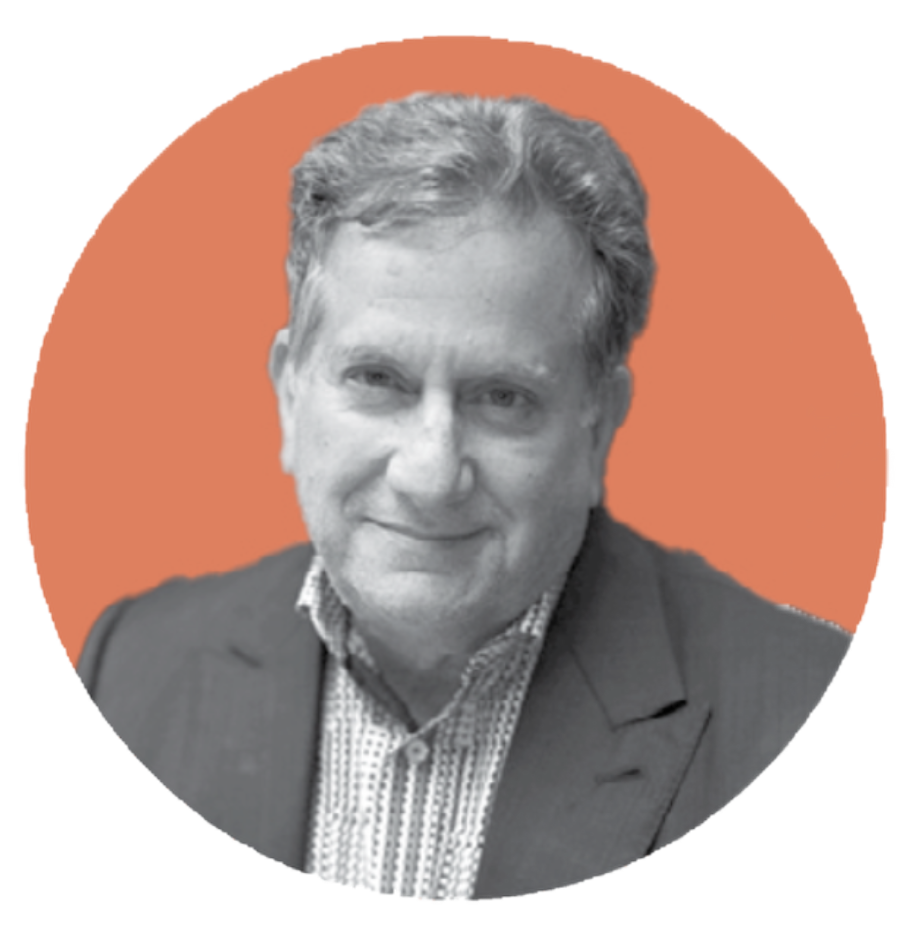
DR. MITCHELL GHEN, D.O., PH.D.
A world-renowned authority in functional and integrative medicine, he has spent over 44 years advancing medical science. He specializes in root cause medicine, combining advanced diagnostics, personalized treatments, and innovative therapies to help patients achieve optimal health. His practice offers hope to those with chronic or terminal conditions, earning him a reputation as a trusted last-resort physician and go-to doctor for healthcare providers. Dr. Mitch has authored medical textbooks, led groundbreaking research, and trained over 3,800 professionals globally, cementing his legacy as a leader in transformative, patient-centered care.
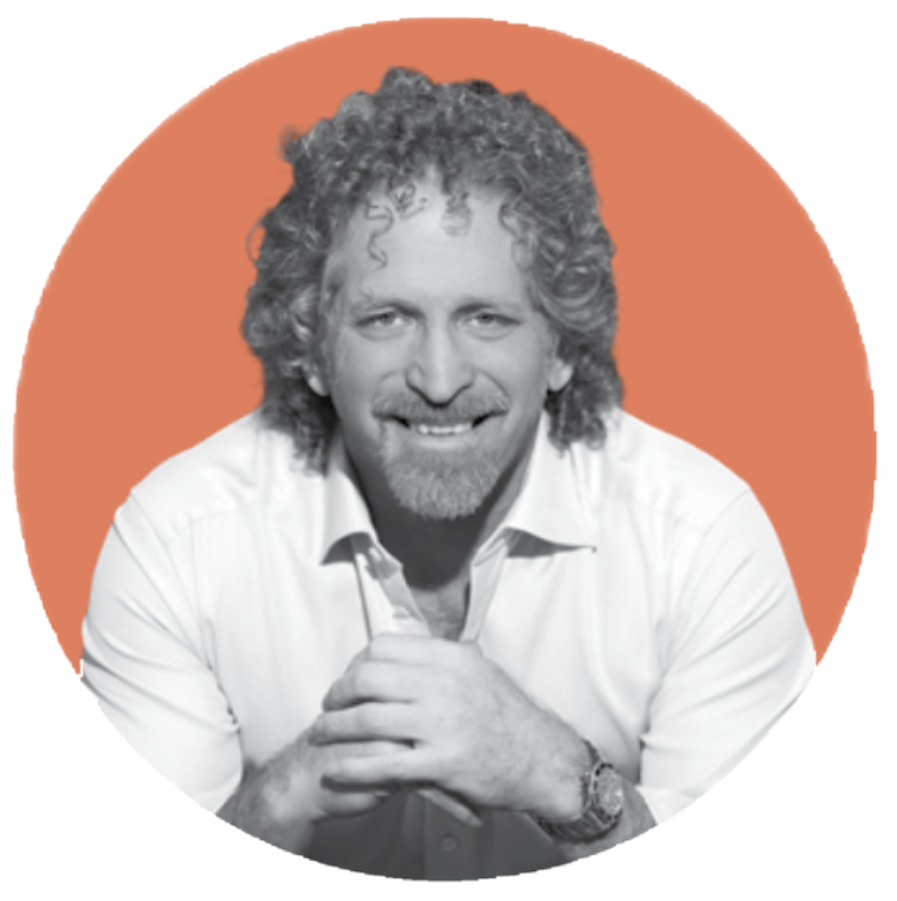
DR. JOSEPH DITURI, PHD, (DR. DEEP SEA)
Commander Joseph Dituri, (Retired), enlisted in the U.S. Navy in 1985. He served continuously on active duty aboard various ships and stations, participating in every aspect of diving and special operations work—from saturation diving and deep submergence to submersible design and clearance diving. Dr. Dituri earned a Ph.D. in Biomedical Engineering. His current position is Assistant Vice President of Veteran’s Clinical Research at the University of South Florida, and he also teaches in both the medical school and the medical engineering department.
The Mouth–Body Connection
A MISSING PIECE IN THE CHRONIC ILLNESS PUZZLE
Discover the Overlooked Oral Connection That Unlocks Lasting Healing
C HRONIC ILLNESS IS rising faster than any other time in history. Autoimmune disorders, hormone dysfunction, neurological symptoms, unexplained fatigue—people are suffering younger, longer, and with more complexity than ever before.
And yet, many of these same people are doing everything they’ve been told to do. They’re eating clean. Taking supplements. Running advanced labs. Working with practitioners. Detoxing. Fasting. Meditating. Still, the symptoms linger. When that happens, something’s been missed.
Over the years, I’ve spoken with thousands of people who felt like they’d tried it all.. And in a surprising number of those cases—far more than most would expect—the missing piece wasn’t in their gut or their liver or their adrenals.
It was in their mouth.
I don’t mean brushing and flossing. I’m talking about hidden infections, unresolved trauma from dental procedures, bite misalignment, trapped inflammation, and toxic materials that silently disrupt the entire system.
It’s not always the only problem (rarely is anything that simple). But if this piece isn’t at least considered, the body often stays stuck.
No matter how many protocols you stack on top.
THE SYMPTOMS KEEP STACKING—BUT THE BODY WON’T RESPOND
When oral health is overlooked, the symptoms don’t always show up in the mouth. They show up as fatigue that won’t lift—even after sleep and clean eating. They show up as brain fog, irritability, or anxiety that doesn’t fully respond to adrenal or gut support. They show up as thyroid imbalances, detox plateaus, or hormone shifts that keep cycling back. These are the people who’ve already tried what seems like everything. They’ve done the protocols. They’ve taken the supplements and binders. Cleaned up their environment. But something’s still not clicking.
“When that happens, something’s been missed… and in a surprising number of cases, the missing piece wasn’t in their gut or their liver or their adrenals. It was in their mouth.”
Their body just won’t respond the way it’s supposed to.
This is where I’ve learned to ask a better question:
What upstream interference hasn’t been cleared?
Often, it’s a dental procedure from years ago… a root canal, a metal filling, a crown that never felt quite right—or even a tooth that was pulled decades ago, like a wisdom tooth removed in someone’s twenties.
Sometimes it’s structural; An imbalanced bite, a misaligned jaw, or chronic tension through the head and neck that no one connected to their symptoms.
And here’s what surprises most people: these areas often don’t hurt. There’s no obvious swelling. No visible sign that something’s wrong. But beneath the surface, infection and inflammation can still be active… quietly stressing the immune system and throwing off the body’s balance.
And in many cases, once those layers are addressed, the body starts responding again. A perfect example was a client I worked with named Tommy.
He’d spent 21 years dealing with chronic pain that no one could explain—even liver pain that puzzled every practitioner he saw. He tried everything he could think of. Nothing made a lasting difference.
Eventually, he got a cone beam scan that revealed a cavitation in the site of an old extraction. It had silently harbored infection for decades. After it was properly removed by Dr. Gerry, Tommy walked out of the office pain-free for the first time in over two decades. That’s the power of finding the true upstream source.
THIS IS WHAT HAPPENS WHEN THE MOUTH GETS MISSED
Most people—including many practitioners—don’t realize how profoundly the mouth affects the rest of the body. It’s not just about cavities or brushing habits. We’re talking about deep, structural and neurological interference that can block healing across multiple systems.
For example, root canals often leave behind low-grade infections that aren’t detected on standard imaging. These infections can leak toxic byproducts into the bloodstream for years, silently keeping the immune system in a chronic inflammatory state.
Cavitations—pockets of dead tissue left behind after extractions—often go undiagnosed, yet they can act as reservoirs of infection that throw off everything from lymphatic flow to hormone regulation.
Even a slightly imbalanced bite can misalign the entire cranial structure, affecting posture, vagus nerve tone, brain signaling, and more. I’ve encountered many stories where simply addressing a bite issue unlocked relief from years of fatigue, anxiety, or insomnia. The mouth is also a key electrical hub. Dental materials like metal crowns and amalgam fillings can disrupt the body’s natural energy pathways, interfering with communication between cells and organs. It’s not that every chronic symptom is caused by the mouth. But if the mouth is inflamed, infected, or energetically off—the rest of the body has no choice but to compensate. And over time, that compensation wears thin.
THE JAW IS TALKING, BUT THE BODY’S PAYING THE PRICE
One of the most misunderstood aspects of oral health is the bite. Most people assume that if they can chew their food and don’t feel jaw pain, their bite must be fine. But the alignment of the bite affects much more than comfort—it plays a key role in how the entire nervous system functions.
When the bite is off, even slightly, it can distort the way the jaw, neck, and head interact. That imbalance creates tension up through the cranial nerves, down through the cervical spine, and into the vagus nerve—one of the most important regulators of rest, digestion, and inflammation.
The body adapts. It always does. But that adaptation comes at a cost:
• Subtle changes in posture that strain the spine
• Shifts in the flow of cerebrospinal fluid
• Chronic sympathetic activation that makes it harder to heal
These are not changes you’ll see on a standard dental exam. Again and again, I’ve heard stories of people finding improvements in energy, mood, digestion, and even cognitive clarity after addressing a hidden bite issue. This is often achieved through occlusion work, neuromuscular dental assessments, or structural support.
When the jaw is stable and properly aligned, the nervous system can finally take a deep breath. And that often becomes the moment the body starts responding again.
THE QUESTIONS NO ONE’S BEEN TRAINED TO ASK
If this mouth–body connection is so critical, why isn’t it more widely recognized? The truth is, most conventional dental training focuses on structure, not systemic impact. Dentists are taught to fix teeth, not evaluate how a bite affects the nervous system or how a root canal might impact immune function.
It’s not their fault. It’s just how the system is built.
Likewise, most doctors, even functional and integrative ones, aren’t trained to evaluate the mouth beyond obvious dental infections. The assumption is: if there’s no visible decay and the patient isn’t in pain, the mouth must be fine.
But I’ve seen too many cases where everything looked fine on the surface… and yet, a hidden issue in the mouth was keeping the body stuck.
And what makes this so tricky is that these issues often don’t cause pain. The gum tissue can look healthy so the issue flies under the radar. Plus, to make matters worse, regular dental X-rays usually miss them completely.
A 3D cone beam scan is the gold standard for detecting cavitations and other hidden oral issues. Unlike traditional 2D X-rays, it provides a much more detailed image of the bone structure—allowing practitioners to see what’s really going on beneath the surface.
But even then, the tool is only as good as the person interpreting it. Most dentists, even many biological dentists, haven’t been trained to read cone beam scans for cavitations. They often use outdated software or view the images like flat 2D films, missing critical signs of infection.
And because these issues aren’t part of conventional training, they’re frequently dismissed or overlooked entirely.
That’s why I teach a specific pre- and post-removal protocol and work closely with a network of highly trained biological dentists around the country who follow it.
(If you suspect this might be part of your story—and you’re ready to explore it the right way — reach out to our team at info@pompaprogram.com. We can connect you with practitioners who are trained in this exact process.)
The right Biological dentists ask different questions:
• Is this dental material biocompatible with the immune system?
• Could this crown or filling be blocking meridian flow or electrical signaling?
• Is the bite creating structural or neurological compensation patterns?
• Are there signs of low-grade infection or cavitations that don’t show up on 2D x-rays?
These aren’t fringe questions. They’re essential for anyone serious about resolving chronic health issues. Because if you don’t clear the interference at the mouth, the rest of the system can’t fully come online.
“Often, it’s a dental procedure from years ago—a root canal, a metal filling, a crown that never felt quite right—or even a wisdom tooth removed decades ago.”
WHAT HAPPENS WHEN THIS LAYER FINALLY GETS ADDRESSED
Over the years, I’ve connected with countless individuals who felt like they were doing everything right and still weren’t getting better. And in a surprising number of cases, the breakthrough came when attention finally turned to the mouth. It might’ve been an old root canal that tested positive for infection… A crown that was throwing off the structural balance of the bite… Or perhaps, a cavitation that had silently harbored bacteria for years.
Once the issue was identified, and addressed by the right biological dentist, everything else started to work again. Detox pathways opened up. Sleep improved. Hormones rebalanced. Inflammation dropped.
It wasn’t always overnight. And it wasn’t the only thing they needed. But until that layer was cleared, their body couldn’t fully respond. And I’ve seen the reverse too—clients who did everything else perfectly, but kept hitting the same wall. Eventually, we realized no one had ever looked at the one area that might’ve mattered most: their mouth. When that piece gets addressed properly, the rest of the protocol has room to do what it was designed to do.
A FINAL THOUGHT ON HEALING
The longer I’ve done this work, the more I’ve realized that healing often depends less on what we add—and more on what we remove. The mouth may not be the root cause for everyone. But when it is, and it gets overlooked, no amount of effort downstream will fully resolve the issue.
Dental work from decades ago. A bite that slowly slipped out of balance. Inflammation that never quite clears. These things can act like silent roadblocks that stall progress, even with the best intentions. If this part of the picture hasn’t been explored yet, it’s worth considering. Not as a miracle fix. But as a legitimate, often-forgotten part of the body’s healing equation.
(P.S. If you need help finding a good Biological Dentist—reach out to our team at info@pompaprogram.com. We can connect you with practitioners who are properly trained to provide and read cone beam scans, and handle cavitation removal properly.)
Glow Smarter, Not Harder
BECOME THE CEO OF YOUR SKIN HEALTH
Dermatologist’s Skin Cycling Strategies Built for Women
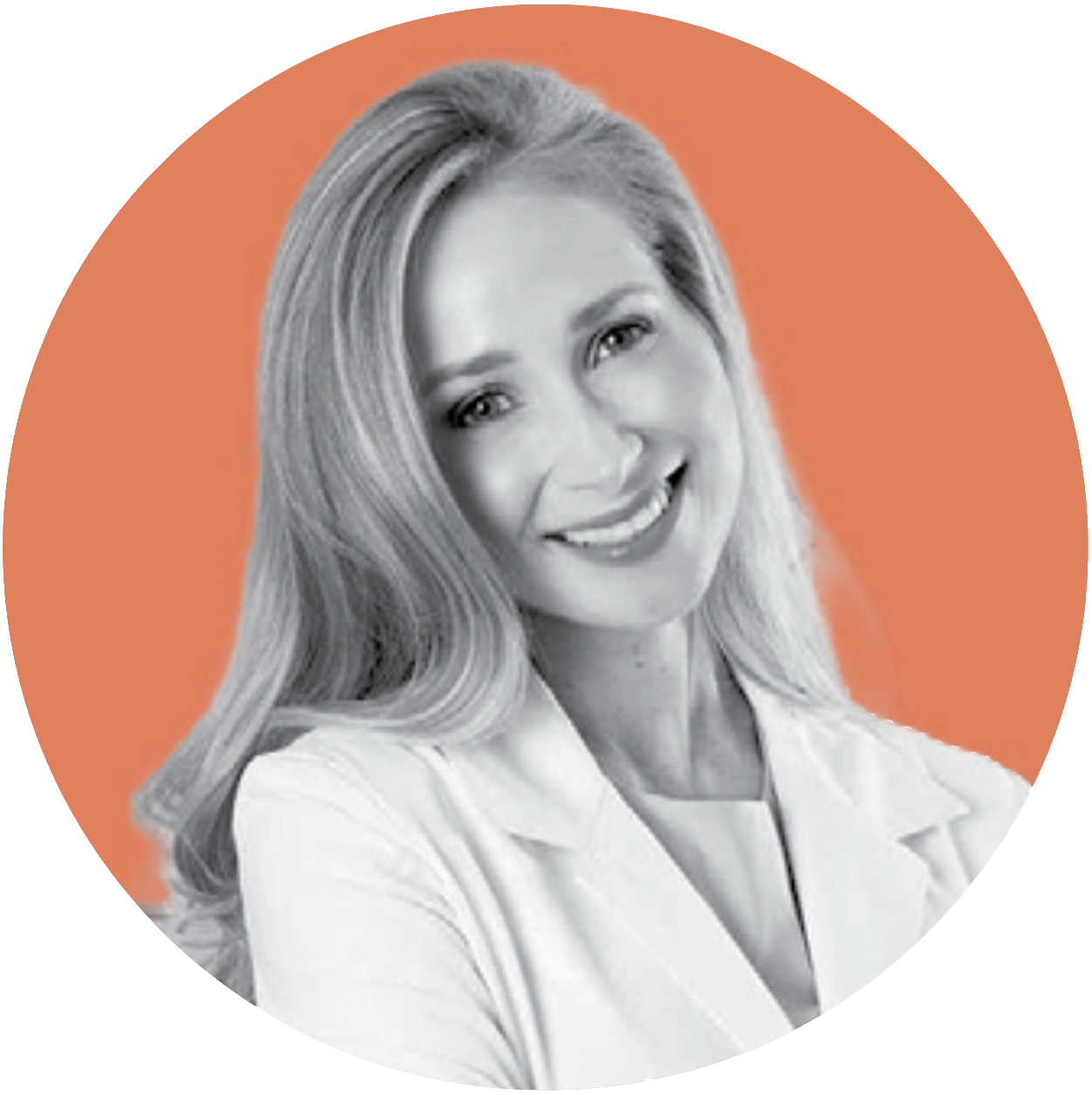
D R. WHITNEY BOWE is a top board-certified dermatologist to some of the biggest names in TV, modeling, and music. She’s also a research scientist, and the creator of the viral Skin Cycling Program.
Press headlines flood our inboxes and social media feeds, all claiming to reveal the “secret” to youthful, radiant skin. It’s time we change the narrative. There’s nothing secretive about optimized skin health if we look at the science of how our skin ages— specifically, the way that women’s skin behaves as we reach perimenopause, menopause, and beyond.
THE SCIENCE OF SKIN AGING
As we age, especially from approximately age 30 forward, there are significant changes occurring in all of the layers of the skin. Women often experience dramatic changes in their skin tone, texture, and laxity, including:
• In the deeper layer of the skin (dermis), our levels of hyaluronic acid, collagen, and elastin all start to decline as we age.
• Hyaluronic acid is like a sponge or water magnet that traps moisture in the skin. As HA goes down, skin starts to lose its bounce and looks less plump.
• Collagen fibers are like tight ropes and elastic fibers are like rubber bands, when we start to lose our collagen and elastin, our skin not only gets thinner, but it starts to sag and doesn’t bounce back the way it used to.
• Our skin cell turnover slows down as we age, resulting in dead skin cells piling up on the surface—this is why many of us feel like we’ve lost our glow, or our skin looks more dull. We can even see more texture and may start to notice rough patches.
• There are also significant changes occurring in the very top layer of the skin (stratum corneum): here, our skin’s production of natural oils and lipids, like ceramides, goes way down. When that happens, our skin becomes more dry and sensitive, and that means it’s also more reactive—things that never used to irritate your skin are now causing stinging or even a rash. So we have to pay extra attention to something called the skin barrier.
• Lifestyle can also have a profound impact on how pronounced these skin changes are and how rapidly they advance.
BECOMING THE CEO OF YOUR SKIN HEALTH
Our skin is a living organ. In fact, it’s our largest organ, and our skin cells are very smart; they respond to the environment you create around them. If you create a micro-environment, a cellular milieu that encourages your skin cells to thrive metabolically, your skin will respond. You can not only optimize your skin health, but you can even turn back the clock so that your skin’s age can become younger than your chronological age. In the same way that we wouldn’t let our muscles atrophy in the name of natural aging, and we can feel stronger and healthier in our 40s than we did in our 30s through strategic training, we can define goals and act on them for our skin.
Specifically, some key ingredients and ingredient combinations can interact with receptors in the skin and even create signaling cascades that will ultimately change the behavior of our skin cells. And since our skin is an organ we can actually see—unlike our liver or lungs—when we optimize skin health, it can have a significant impact on our confidence and self-esteem.
“There’s nothing secretive about optimized skin health if we look at the science of how our skin ages—specifically, the way that women’s skin behaves as we reach perimenopause, menopause, and beyond.”
CREATING YOUR PERSONALIZED GAME PLAN
My framework for skincare, especially mature skin, which is often more reactive and sensitive, is called Skin Cycling. It is a customizable, strategic program of cycling through powerful actives—your exfoliating acids and retinoids—in your evening skincare routine to maximize results, but minimize irritation in the skin.
Skin Cycling takes a “smarter not more” approach to skincare—pushing skin outside its comfort zone using the most potent ingredients to drive visible changes in the skin on specific nights of the week, while building in recovery on other nights where you just focus on deep hydration and repairing your skin barrier.
Essentially, Skin Cycling coaches and conditions the skin into behaving in a more optimized and youthful way, by taking into account how each ingredient “speaks” to your skin cells, either through binding to receptors or sending a cascade of cellular signals.
Dr. Bowe’s three core Skin Cycling Program frameworks are Advanced, Classic, and Gentle—all can be customized to your skin’s needs. You may even switch between these frameworks.
Night 1 is exfoliation night. I recommend using a leave-on exfoliating serum with a triple acid blend of AHAs, BHA, and PHAs, which you can find in Dr. Whitney Bowe Beauty’s Exfoliation Night™ Resurfacing + Brightening Serum. It’s going to gently dissolve away the uppermost layer of dead skin cells, giving your skin an immediate glow, while also prepping your skin to get the most out of night 2.
Night 2 is retinoid night. Retinoids can speed skin cell turnover, so you will see smoother, softer skin within days of starting a retinoid. If you use it consistently over time, it can help smooth out fine lines, wrinkles, and eventually help firm the skin. That said, not everyone can tolerate a retinoid every night, especially if they have sensitive skin—that’s where recovery nights come in (coming up next). On retinoid nights, I use Retinal Night™ Advanced 0.1% Retinal Firming Treatment on the face, neck, and chest.
In the “Classic” Skin Cycling Program, which is especially popular among women with sensitive or mature skin, nights 3 and 4 are recovery nights—here’s where you focus on hydration and repairing the skin barrier. I use Bowe Glowe™ Microbiome Nourishing Cream as the last step on every night of Skin Cycling, but it really shines on recovery nights. Bowe Glowe™ Cream is formulated with squalane, ceramides, HA, prebiotics, and postbiotics, and has been clinically-proven to help repair the skin barrier in an hour.
You can find all the products I mentioned in the official Skin Cycling Program Kit at drwhitneybowebeauty.com.
Now, the beauty of this framework is that you can customize it, flexing it up or down, based on your skin’s needs and goals. For example, I’m on an “Advanced” Skin Cycling Program where I actually build in more retinoid nights back-to-back because my skin can tolerate using powerful actives, and I have worked up to that level of consistency. Once you understand the core framework, it’s about listening and customizing the program to your skin.
HOW TO USE DR. WHITNEY BOWE BEAUTY’S PROFESSIONAL, CLINICALLY-PROVEN SKINCARE PRODUCTS IN YOUR SKIN CYCLING ROUTINE
There is no gatekeeping here, and there are no secrets! Skincare should make sense. It should be intuitive. Your muscles need recovery days, your mind needs recovery days, so it makes sense that your skin also benefits from recovery days, and that you learn to read its needs. This protocol is especially effective for women who are going through perimenopause and menopause. As we mature, our skin becomes more dry and prone to irritation, but this is also when we most need to use powerful products that are clinically proven to drive measurable, visible results in the skin.
As your skin’s CEO, you want to see a return on your investment. That’s where this information will truly shine, because it works.
Science of the Mind
YOUR BRAIN ON FIRE
The Missing Link in Mental Health and Cognition
I MAGINE A SLOW-BURNING fire inside your brain—one that’s invisible, painless, and quiet. This hidden fire, known scientifically as neuroinflammation, is gaining attention as a crucial but often overlooked factor behind many mental health struggles, cognitive decline, and personality changes. Unlike inflammation you might recognize on your skin or joints, neuroinflammation offers no obvious signs or immediate symptoms. Instead, it quietly simmers in the background, sometimes for decades, subtly altering the brain’s chemistry and function until noticeable issues arise.
Neuroinflammation can silently reshape who we are, affecting our moods, memory, concentration, and even our core personality traits. From anxiety and depression to difficulties in thinking clearly or recalling memories, this hidden inflammation disrupts lives, often leaving people puzzled by the changes they’re experiencing. Fortunately, understanding neuroinflammation opens the door to proactive management and intervention. Recent advances in neuroscience have shown promising ways to control—and potentially reverse—this internal fire, offering renewed hope for restoring mental clarity, emotional balance, and overall brain health.
In this article, we’ll uncover the connection between neuroinflammation and your mental and cognitive well-being, exploring practical steps you can take to soothe this internal inflammation and reclaim your vibrant, healthy mind.
WHAT IS NEUROINFLAMMATION?
Neuroinflammation occurs when the brain’s immune system becomes overly active, typically in response to injury, infection, exposure to toxins, or chronic stress. Usually, this immune response—led by specialized cells called microglia and astrocytes—acts to protect and heal the brain. However, when it becomes prolonged or uncontrolled, it can cause significant harm.
This chronic inflammation in the brain has been linked to various conditions, including Alzheimer’s disease, Parkinson’s disease, multiple sclerosis, depression, anxiety, and even changes in personality. During neuroinflammation, key inflammatory molecules called cytokines, such as interleukin-1 beta (IL-1β), tumor necrosis factor-alpha (TNF-α), and interleukin-6 (IL-6), become elevated. These cytokines can damage brain cells, increase oxidative stress, and disrupt communication between neurons, impairing overall brain function and health.
THE SURPRISING LINK BETWEEN BRAIN INFLAMMATION AND PERSONALITY CHANGES
Most people associate inflammation with visible issues like a swollen ankle or a sore throat. But what if inflammation was quietly occurring inside your brain, persistently changing your thoughts, emotions, and even your personality?
Emerging research now reveals that chronic neuroinflammation can profoundly influence how a person feels, thinks, and behaves. It can subtly transform someone who was once cheerful, outgoing, and motivated into a version of themselves that seems unfamiliar—irritable, withdrawn, or emotionally flat.
One of the earliest changes is often increased irritability. People dealing with ongoing brain inflammation frequently describe feeling “on edge.” This heightened irritability happens because inflammation overstimulates the amygdala, a brain region deeply involved in emotional responses like fear and anxiety. As a result, the brain becomes more reactive, making a person quicker to snap or become frustrated over minor issues.
Social withdrawal is another common change. Individuals may lose their desire to connect socially, not because they no longer care, but because inflammation interferes with dopamine and serotonin—essential chemicals regulating mood and pleasure. Without these neurotransmitters functioning properly, previously enjoyable interactions can feel overwhelming or burdensome.
Emotional instability is also frequent. Friends and family might notice mood swings, heightened anxiety, or difficulties coping with stress. These emotional fluctuations are driven by actual biological changes in brain chemistry due to chronic inflammation impacting emotional regulation centers.
Lastly, chronic inflammation can lead to profound motivational loss—a sense of emotional and mental fatigue. The prefrontal cortex, the brain’s key area for decision-making and motivation, can be impaired by inflammation, making even everyday tasks feel daunting or irrelevant.
In essence, when the brain is inflamed, everything from emotional stability and social interactions to motivation and goal setting can be affected. These are not mere mood swings—they are neurological symptoms of an inflamed brain. Understanding this link offers empathy and avenues for treatments targeting inflammation, paving the way back to mental clarity, emotional balance, and vibrant living.
“Neuroinflammation doesn’t just affect how you think—it can change who you are.”
NEUROINFLAMMATION AND MENTAL HEALTH DISORDERS
Neuroinflammation plays a central role in many psychiatric disorders:
Depression: Traditionally associated with chemical imbalances, depression is now increasingly linked to inflammation. Elevated inflammatory cytokines interfere with serotonin production, leading to fatigue, low energy, and hopelessness.
Anxiety Disorders: Chronic neuroinflammation affects the stress-regulating hypothalamic-pituitary-adrenal (HPA) axis, causing excessive cortisol release, contributing to symptoms like excessive worry, panic attacks, and stress sensitivity.
Schizophrenia and Bipolar Disorder: Elevated inflammatory markers are linked with these conditions. In schizophrenia, inflammation disrupts neurotransmitter balance, causing hallucinations and cognitive issues. In bipolar disorder, inflammation heightens mood instability and susceptibility to mood swings.
Cognitive Decline and Neurodegeneration: Neuroinflammation significantly impacts cognitive health by accelerating brain aging and contributing to conditions like Alzheimer’s and Parkinson’s diseases.
Memory Impairment: Chronic inflammation disrupts hippocampal function, impairing memory formation and increasing Alzheimer’s disease risk.
Brain Fog and Mental Fatigue: Cytokine-induced brain changes cause confusion, concentration difficulties, and fatigue.
Alzheimer’s and Parkinson’s Diseases: Both diseases are strongly associated with inflammation, which contributes to hallmark pathologies like amyloid plaques and neuron loss, leading to cognitive and motor dysfunction.
CAUSES OF NEUROINFLAMMATION
Several factors can ignite and sustain chronic neuroinflammation. Traumatic injuries to the head can initiate an inflammatory response, potentially lasting long after visible injuries have healed. The foods we eat significantly influence inflammation; diets high in sugar, unhealthy fats, and processed foods can fuel ongoing inflammation throughout the body and brain. Persistent stress is another critical factor—when we’re under chronic stress, elevated levels of stress hormones like cortisol can trigger and perpetuate brain inflammation.
Infections from viruses and bacteria can also cause the immune system to overreact, maintaining inflammation even after the initial infection has passed. Environmental toxins, such as exposure to heavy metals, pesticides, and air pollution, further heighten neuroinflammatory responses. Lastly, sleep deprivation hampers the brain’s natural ability to clear out inflammatory substances, exacerbating chronic inflammation and negatively affecting cognitive health.
STRATEGIES TO REDUCE NEUROINFLAMMATION
If neuroinflammation is the hidden fire damaging the brain, the encouraging news is that there are ways to cool the flames. Reducing this type of inflammation isn’t just important for brain health—it’s essential for restoring emotional balance, sharpening mental clarity, and reclaiming energy and motivation. Fortunately, everyday choices can make a profound difference.
One of the most effective strategies starts with your diet. The foods you eat can either fuel inflammation or help extinguish it. An anti-inflammatory diet focuses on nourishing the brain with healing nutrients. For instance, fatty fish such as salmon and sardines are rich in omega-3 fatty acids, which are known to calm inflammation and support mood stability. Turmeric, a golden spice often used in cooking, contains curcumin, a powerful compound shown to reduce inflammatory activity in the brain and body.
Adding more leafy greens and brightly colored vegetables to your meals can flood your system with antioxidants that protect brain cells from damage. Likewise, berries such as blueberries and raspberries are packed with natural flavonoids that enhance brain function and may reduce the risk of cognitive decline. Nuts and seeds also play an important role; they’re full of healthy fats and micronutrients that support a healthy brain and reduce inflammatory responses.
These food choices not only protect your brain from long-term harm but also support neurotransmitter balance, helping to lift mood, boost focus, and improve mental energy throughout the day.
CORRECTING HORMONAL INSUFFICIENCY
Dr. Mark Gordon is a leading expert in understanding how trauma—whether physical, emotional, or environmental—can disrupt the delicate balance of hormones in the brain. His groundbreaking work, particularly with members of the U.S. military, has highlighted a powerful connection between trauma, hormonal insufficiency, and changes in personality, mood, and cognitive function.
Through the use of a comprehensive 28-point biomarker panel, Dr. Gordon has been able to identify specific hormonal imbalances that often go undetected by conventional testing. By addressing these deficiencies with targeted treatments, many of our wounded warriors, as well as civilians suffering from similar challenges, have experienced significant recovery. From improved mood and motivation to restored clarity and emotional stability, correcting hormonal disruptions has proven to be a critical step in reversing the hidden effects of brain inflammation and trauma.
“With the right tools, mental clarity and emotional balance are within reach.”
THE POWER OF MOVEMENT AND MINDFULNESS
Regular physical activity is one of the most effective ways to calm brain inflammation. Exercise doesn’t just strengthen muscles, it also reduces harmful inflammatory chemicals in the body and boosts the production of brain-derived neurotrophic factor (BDNF), a protein that supports the growth and repair of brain cells. You don’t need intense workouts to see the benefits—even moderate movement like brisk walking, yoga, or swimming can improve mood, sharpen thinking, and protect your brain’s long-term health.
Managing stress is equally important. Chronic stress floods the body with cortisol, a hormone that, when elevated for too long, can fuel inflammation and damage brain tissue. Simple daily practices like deep breathing, guided meditation, or quiet moments of mindfulness help calm the nervous system, lower inflammation, and restore emotional balance. These tools are more than just relaxing—they’re healing.
Sleep and Supplementation: Restoring the Brain from Within
Getting quality sleep isn’t just about feeling rested—it’s essential for your brain’s health and healing. During deep sleep, your brain performs a kind of nightly detox, clearing out waste products and inflammatory byproducts that accumulate throughout the day. Without this restorative process, inflammation can build up, impairing memory, mood, and cognitive clarity. Strive for 7 to 9 hours of uninterrupted sleep each night to give your brain the time it needs to reset, repair, and recharge.
In addition to lifestyle habits, certain supplements can offer powerful support in reducing neuroinflammation. Omega-3 fatty acids, commonly found in fish oil, help calm inflammation and support communication between brain cells. Vitamin D plays a crucial role in regulating immune activity within the brain, especially in individuals with low sun exposure. Curcumin, the active compound in turmeric, has been widely studied for its anti-inflammatory and antioxidant properties. Another helpful compound is resveratrol, found in the skin of grapes and red wine, which has been shown to protect brain cells and support healthy aging.
Together, sleep and strategic supplementation offer a foundational approach to calming brain inflammation and protecting your mental well-being.
SUMMARY
Neuroinflammation is a hidden yet powerful force that can subtly—but profoundly—impact mood, memory, and even our sense of identity. Left unchecked, it contributes to a host of mental health challenges and accelerates cognitive decline. But understanding its roots gives us the power to fight back. Through mindful changes in diet, movement, stress management, and sleep, we can take control of our brain health and, by extension, our overall well-being.
At the forefront of this mission are Millennium Health Centers, Inc. and the Biohack Yourself movement, working together to empower individuals with science-based tools for healing and performance. Led by Dr. Mark L. Gordon, a pioneer in neuro-endocrinology and brain trauma recovery, this collaboration is redefining the path to optimal health and longevity—starting with the brain. By identifying and treating the often-overlooked drivers of neuroinflammation and hormonal imbalance, they are helping people reclaim clarity, vitality, and emotional balance.
If you or someone you love is facing unexplained shifts in mood, cognition, or personality, it may not be “just stress” or aging—it could be your brain on fire. Fortunately, with the right guidance and tools, you can put out the flames and reignite your life.
Pressure Points
THE CURRENT SITUATION IN THE HYPERBARIC INDUSTRY
What You Need to Know Before Diving In
T HE HYPERBARIC MEDICINE industry is undergoing a pivotal transformation, propelled by growing public demand, regulatory shifts, and urgent safety concerns. Since February 2025, Robert F. Kennedy Jr., the 26th United States Secretary of Health and Human Services, has advocated for alternative therapies, including hyperbaric oxygen therapy (HBO), as part of an integrative healthcare movement. While this spotlight underscores HBO’s therapeutic potential, it has also fueled a surge in unqualified operators and unsafe practices, threatening patient safety and the industry’s reputation. As a hyperbaric medicine expert, co-author of The Art and Science of Hyperbaric Medicine (Dituri & Sonners, 2024), and former Navy Commander and Saturation Diving Officer with expertise in risk mitigation (Military Standard 882), I advocate for a science-driven approach over sensationalized claims. HBO is a validated, FDA-approved modality with peer-reviewed evidence, not a cure-all. This article outlines three critical considerations for patients, practitioners, or clinic owners entering the hyperbaric space—training, chamber types, and safety standards—with a strong emphasis on the International Hyperbaric Association’s (IHA) third-party verification to ensure facility safety.
1 TRAINING: WHO SHOULD OPERATE HYPERBARIC CHAMBERS?
Hyperbaric therapy delivers oxygen under pressure, classified as a drug by the United States Pharmacopeia (USP), requiring a physician’s prescription. Unlike low-risk wellness treatments like red-light therapy or ice baths, HBO carries risks under the USP, including barotrauma, oxygen toxicity, and fire hazards. The tragic 2025 incident in Troy, Michigan, where a five-year-old lost their life due to apparent operator error, highlights the dire consequences of inadequate training. Unqualified individuals, often self-proclaimed “experts,” lack the expertise to manage HBO’s complex mechanisms, such as angiogenesis, stem cell mobilization, and cytokine modulation, as detailed in The Art and Science of Hyperbaric Medicine (Dituri & Sonners, 2024).
Recommendation: Operators must complete training from programs accredited by the American Council for Continuing Medical Education (ACCME). The International Board of Undersea Medicine (IBUM) is an ACCME-accredited provider, offering AMA PRA Category 1 Credit™ for evidence-based, unbiased courses. IBUM’s certifications for Hyperbaric Technicians, Hyperbaric Practitioners (Medical Directors), and Safety Directors meet regulatory standards and equip operators to handle emergencies, such as central nervous system oxygen toxicity, and apply pressure-specific protocols. The IHA reinforces the legal requirement for trained personnel, emphasizing that untrained operators jeopardize patient safety and industry integrity.
2 CHAMBER TYPES: WHICH ONE IS RIGHT?
Hyperbaric chambers are classified into four types, each suited to specific applications:
• Class A (Multiplace): Accommodates multiple patients, commonly pressurized with air, and delivers oxygen via masks or hoods. Ideal for complex cases requiring medical oversight but safer for wellness clinic use that 100% oxygen chambers.
• Class B (Monoplace): Treats one patient, most often (but not always) pressurized with 100% oxygen. Common in inpatient settings but riskier due to oxygen-rich environments where there may be a compromised airway.
• Class C (Veterinary): Designed for animals, not humans or human use and beyond the scope of this article.
• Class D (Soft Chambers): Portable, low-pressure chambers (up to 1.4 ATA), FDA-cleared for acute mountain sickness using compressed air.
“HBO is a validated, FDA-approved modality with peer-reviewed evidence, not a cure-all.”
Key Considerations: Hyperbaric medicine uses special chambers to deliver oxygen therapy, and the type of chamber depends on the treatment goal. Multiplace chambers (Class A), which hold multiple people, are safer for critically ill patients because they have attendants, monitoring equipment, and a lower fire risk. Multiplace chambers also afford customers the ability to be treated simultaneously and share in the comradery and increased cognitive function enjoyed by many. Older Monoplace chambers (Class B), designed for one person, are more slightly affordable but carry a higher fire risk in a 100% oxygen environment, as shown by past incidents. Find a newer, safer Monoplace option uses air pressure with oxygen delivered through a mask or hood, significantly reducing fire risk. Soft chambers (Class D) are gaining popularity but no build to standard exists for the American Society of Mechanical Engineers (ASME) standards. Research published in the IHA journal (Therapeutic Sciences: Emerging Research in Medical Gases and Regenerative Biology) shows low-pressure hyperbarics (~1.5 ATA) can reduce inflammation and boost stem cell production more effectively than some of the higher pressures, with repeated studies confirming these results. However, conditions like decompression sickness or carbon monoxide poisoning, higher pressures (2.0–3.0 ATA) are still standard, as detailed in *The Art and Science of Hyperbaric Medicine* (Dituri & Sonners, 2024).
Oxygen Delivery: 100% Oxygen vs. Oxygen Concentrators: During the COVID-19 pandemic (2020–2022), oxygen concentrators became critical when medical-grade 100% oxygen prices surged due to reported shortages. Oxygen concentrators deliver approximately 95% oxygen, compared to 100% medical-grade oxygen used in traditional Monoplace chambers. There are no studies which compare the clinical efficacy difference between 100% and ~95% oxygen, but the slight difference in oxygen concentration is unlikely to significantly affect outcomes if the concentrator delivers adequate volume and pressure. At 2 ATA (equivalent to twice atmospheric pressure), an effective oxygen concentrator must provide sufficient flow to maintain oxygen concentration, typically through an oral-nasal mask (built in breathing system) or hood with inlet and outlet hoses. Devices using a single thin tube, nasal cannula, or unsealed non-rebreather mask are generally inadequate for hyperbaric use due to insufficient flow at depth.
For safety and efficacy, oxygen concentrators should meet medical-grade standards and be paired with chambers designed for air pressurization, such as Multiplace or newer Monoplace chambers. These systems reduce fire risk compared to 100% oxygen environments while maintaining therapeutic oxygen levels, aligning with NFPA 99 fire codes and FDA requirements.
3 SAFETY: HOW TO ENSURE A CHAMBER IS SAFE?
Safety is non-negotiable in hyperbaric medicine, given the risks of rapid decompression, fire, and equipment failure. Simply put do not buy, get into or do business with chambers which are not built to contemporary professional standards and verified “stamped” and certified. This can be dangerous behavior for you, your clients or loved ones.
Safety Standards:
• FDA 510(k) Clearance: Mandatory for all clinical chambers. Uncertified chambers, often marketed for home use, have the possibility of failed components, such as low quality or defective seals, and improper ventilation or flow rate leading to catastrophic outcomes.
• ASME/PVHO-1: These codes ensure structural integrity, fire safety, and operational protocols and make assertions to build to specification for metal or acrylic chambers. ASME’s failure to establish standards for soft chambers has created a regulatory gap, exacerbating safety concerns and enabling market exploitation. Compliant chambers bear a “U-stamp” for verification.
• NFPA 99: The National Fire Protection Association a group who writes fire code which fire marshals use as an enforcement standard. This organization can invoke things like DOT standards even if the state does not. They require ASME and training for hyperbarics.
• Risk Mitigation: Using risk mitigation principles, facilities should conduct risk assessments to balance benefits (e.g., wound healing) against hazards (e.g., fire risk). Pressurizing with air and delivering oxygen via masks or hoods significantly reduces fire risk compared to 100% oxygen environments. Yet many manufacturers still make and distribute only those chambers which pressurize with 100% oxygen.
IHA Third-Party Verification: A Critical Safety Measure: The IHA’s third-party verification program is a cornerstone of hyperbaric facility safety, addressing the risks posed by non-compliant chambers and inadequate oversight. This rigorous process involves independent inspections by IHA-certified experts who evaluate chambers, operational protocols, and facility infrastructure against contemporary professional standards such as the ASME/PVHO-1, NFPA 99, and FDA standards. Verification includes:
• Chamber Integrity: Testing pressure vessels for structural soundness, ensuring compliance with ASME/PVHO-1 specifications (e.g., material strength, weld quality).
• Fire Safety Systems: Confirming the presence of fire suppression systems, oxygen storage systems and piping, oxygen monitoring, and adherence to NFPA 99 fire codes.
• Operational Protocols: Reviewing staff training records, operational procedures, emergency procedures, and maintenance logs to ensure readiness for incidents like fire, barotrauma or oxygen toxicity.
• Documentation: Verifying FDA 510(k) clearance and ASME data plates, rejecting non-compliant chambers.
• Common Sense: They verify a common-sense approach to chamber procedures which benefit the occupant and ensure that a clinic director is not putting profit over safety.
Verified facilities have a substantial reduction in safety incidents compared to non-verified facilities. Verification mitigates risks from unapproved chambers by identifying substandard equipment before it enters service. For example, IHA inspections have uncovered non-FDA cleared chambers with non-medical-grade fabrics prone to tearing and hard chambers with out-of-date acrylic portholes, preventing potential injuries. Clinics achieving IHA verification gain a safety certification, enhancing patient trust and regulatory compliance. The IHA underscores third-party verification as essential for protecting patients and legitimizing HBO facilities, particularly in non-clinical settings like wellness center. The IHA advocates verification for all hyperbaric facilities to close regulatory gaps and deter operators using unsafe equipment.
Dangers of Unapproved Chamber Use: The proliferation of non-FDA-cleared chambers poses a grave threat to patient safety and the hyperbaric industry. Unscrupulous manufacturers and operators shortcut the market by producing low-cost, non-compliant chambers, often imported from countries with minimal regulatory oversight. These devices bypass ASME/ PVHO testing, using inferior materials like non-medical-grade fabrics, untested acrylics, or low-grade metals that fail under pressure. Operators and owners, enticed by costs 50–70% lower than compliant chambers, market these devices exploiting public demand driven by social media and celebrity endorsements. This practice not only endangers patients but also undermines legitimate HBO providers. The Troy, Michigan tragedy, linked to an oxygen-rich Monoplace chamber which was formally ASME built to but not maintained, exemplifies the catastrophic consequences of inadequate equipment and training. Without IHA third-party verification, these operators evade accountability, risking stricter regulations and public distrust that could derail the industry’s progress. The Art and Science of Hyperbaric Medicine warns that unchecked market shortcuts threaten HBO’s safety record, urging adoption of a knowledge-based approach for any off-label indication which is backed up with evidence-based practice. (Dituri & Sonners, 2024). To further drive this point, Medical Directors, Chamber Operators and Safety Directors have been charged with and found guilty of negligence and involuntary manslaughter for using unapproved, out of service or poorly maintained chambers on more than one occasion.
Innovation in Safety: Leading manufacturers are advancing safety with computer-controlled systems, touch-screen interfaces, and enhanced fire suppression. Multiplace chambers (2–4 seats) offer a return on investment within one year if used once daily, making them viable for clinics. The IHA advocates for chambers with minimally FDA 501K clearance for class D chambers and for class A and B chambers ASME/PVHO compliance and third-party verification to ensure reliability and safety.
“The tragic 2025 incident in Troy, Michigan, underscores the dire consequences of inadequate training.”
THE FUTURE OF HYPERBARIC MEDICINE
The hyperbaric industry is expanding, with tens of thousands of treatments performed daily worldwide, many for off-label conditions like traumatic brain injury, post-concussion syndrome, and neurological disorders. However, resistance to change—termed the “hyperbarasaurus”—hinders progress. The IHA’s 2021 push for soft chamber standards highlights the need for regulatory evolution to address low-pressure devices, which have shown promise since the Gamow bag’s use for high-altitude cerebral edema. Bodies like the ASME must develop standards for soft chambers to balance innovation with safety, preventing exploitation by unqualified vendors.
Call to Action: To protect patients and the industry’s reputation, clinics must: 1. Employ IBUM’s ACCME-accredited training for all staff, including Safety Directors, Chamber Operators and Medical Directors. 2. Use only FDA-cleared, ASME/PVHO-compliant chambers, verified by IHA third-party inspections, and reject non-compliant soft or uncertified hard chambers. 3. Support IHA’s advocacy for regulatory updates to address soft chambers and off-label uses, backed by emerging research.
I opine all places offering oxygen are connected. This includes HBO in hospitals, clinics, mild HBO in clinics or homes, and even oxygen bars in shopping centers. They all provide oxygen therapy, and if something goes wrong in any of these places—like an accident or safety mistake—it can hurt the reputation of everyone working in this field. Hyperbaric medicine, when practiced safely, is a powerful tool for healing. These are inherently safe devices and given a 102-year accident review boasts less than 200 incidents and deaths worldwide given millions of treatments. However, this industry can do better. By prioritizing training, IHA third-party verification, and innovation, we can prevent tragedies like Troy, Michigan, and ensure HBO’s longevity as a trusted primary and adjunctive treatment modality.
Advanced Wellness Strategies
ROOT CAUSE MEDICINE
A personalized approach that identifies and heals the true source of your health challenges
W E ARE MORE than 37 trillion chemical reactions per second—a dynamic, living symphony of biochemistry and physiology unique to each of us. Achieving optimal health, not merely “good” health, requires understanding this intricate system at an individual level. As a physician dedicated to root cause medicine for over 44 years, I believe the only way to unlock vibrant, lasting wellness is by identifying and addressing the specific imbalances that drive health challenges, whether they stem from environmental, metabolic, or disease-related sources. This approach, grounded in comprehensive diagnostics and personalized treatment, is the key to wellness, optimal health, and longevity. It demands a shift from the one-size-fits-all model of conventional care to a deeply individualized journey that respects the complexity of the human body.
THE LIMITATIONS OF CONVENTIONAL DIAGNOSTICS
Most of us are familiar with the routine blood tests ordered by primary care physicians. These panels measure basic markers like cholesterol or blood sugar, offering a snapshot of health. But a snapshot is not a story. To truly understand what’s happening in your body, a far more comprehensive blood analysis is essential. This should include nutrient levels (vitamins, minerals, amino acids), hormone profiles, inflammatory markers, and toxic metal burdens. For example, deficiencies in nutrients like magnesium or vitamin B12, or elevated levels of toxic metals like lead or mercury, can profoundly disrupt health but often go undetected in standard testing.
Diagnostics must extend beyond bloodwork. The autonomic nervous system, which regulates involuntary functions like heart rate, digestion, and breathing, plays a critical role in overall wellness. Subtle dysfunctions in this system can contribute to symptoms like fatigue, brain fog, or digestive issues often dismissed by conventional healthcare providers as “normal part of getting older”. Advanced comprehensive assessments, akin to diagnostic scans for a high-performance engine, can detect these imbalances. It is important to realize that environmental toxins—pesticides, plastics, or toxic metals—accumulate in the body over time, silently impairing cellular function. Targeted testing for these toxins is crucial to uncover hidden root causes. By combining these advanced diagnostics, we gain a clear picture of the unique factors driving an individual’s health challenges, whether they arise from nutrient deficiencies, hormonal imbalances, or environmental exposures.
THE GHEN HYPOTHESIS: A FRAMEWORK FOR OPTIMAL HEALTH
Root cause medicine is guided by a framework I call the GHEN Hypothesis, which identifies six mutually inclusive elements essential for cellular function and overall wellness:
1 Nutrition: Every cell requires specific nutrients—vitamins, minerals, amino acids, and enzymes—to operate at its best. Even subtle deficiencies can trigger a cascade of systemic problems, from fatigue to weakened immunity.
2 Oxygenation: Adequate oxygen delivery to tissues is vital for energy production, cellular repair, and detoxification. Poor oxygenation can result from sedentary lifestyles, lung conditions, or circulatory issues.
3 Hormone Balance: Hormones act as the body’s messengers, orchestrating metabolism, mood, and reproduction. Imbalances in cortisol, thyroid, or sex hormones can disrupt multiple systems.
4 Detoxification: Our modern world bombards us with pollutants— toxic metals, pesticides, etc. Supporting the body’s natural detox pathways, like the liver and kidneys, is critical to clear these harmful substances.
5 Energy Balance: Mitochondria, the powerhouses of our cells, produce the energy needed for life. Imbalances in mitochondrial function can lead to chronic fatigue, cognitive decline, or muscle weakness.
6 Psychosocial Intervention: The mind-body connection is undeniable. Chronic stress, unresolved trauma, or poor emotional health can manifest as physical symptoms, from headaches to heart disease.
These six pillars are deeply interconnected. A deficiency in one—say, poor nutrition—can disrupt hormone balance, impair detoxification, or sap energy production, creating a domino effect. Optimal health requires addressing all six elements in a way that’s tailored to the individual’s unique biochemistry and life circumstances.
PERSONALIZED TREATMENT: A TAILORED PATH TO WELLNESS
Identifying root causes is only the first step. Treatment must be as individual as the patient utilizing comprehensive treatment options. While age, sex, and specific conditions are considerations, they don’t tell the whole story. Generic approaches—whether a standard multivitamin or a trendy diet—rarely achieve optimal results. Instead, root cause medicine crafts a core plan that integrates lifestyle changes, targeted therapies, and advanced interventions, all guided by the GHEN Hypothesis.
Lifestyle as Medicine: The foundation of any plan includes exercise, sleep, and stress management. Regular physical activity enhances oxygenation, boosts energy balance, and supports detoxification. Quality sleep—often undervalued—allows the body to repair, regulate hormones, and clear toxins. Stress reduction techniques, such as mindfulness, meditation, or therapy, address the psychosocial element, fostering a harmonious mind-body connection.
Nutrient Repletion: Nutrient deficiencies are surprisingly common, even in those who eat “healthy” diets. Comprehensive testing can reveal specific needs, such as low levels of vitamin D, omega-3 fatty acids, or coenzyme Q10. Oral supplements can help to address these deficits, but in cases of severe deficiency, intravenous nutrient therapy—delivering vitamins, minerals, amino acids, and enzymes directly into the bloodstream—can rapidly restore cellular function.
Dietary Measures: Food is a cornerstone of health, but no single diet works for everyone. A personalized nutrition plan, based on biochemical needs, food sensitivities, and metabolic goals, ensures the body receives optimal fuel. For some, this might mean a plant-based approach; for others, a high-protein or ketogenic diet.
Advanced Therapies: Cutting-edge tools can accelerate healing and enhance cellular function. Molecular hydrogen inhalation therapy and hydrogen baths reduce oxidative stress, while near-infrared light promotes tissue repair and reduces inflammation. Sonic wave vibration therapy can improve circulation, alleviate pain, and support musculoskeletal health. These modalities, though not yet mainstream, are powerful allies in the quest for optimal wellness.
Detoxification Support: For patients with toxic metal or environmental toxin burdens, targeted detox protocols are essential. Chelation therapy can safely remove toxic metals, while infrared saunas or lymphatic drainage support the body’s natural detox pathways. These interventions are carefully customized to avoid overwhelming the system.
“We are over 37 trillion chemical reactions per second—a living biochemistry symphony unique to each of us.”
THE POWER OF INDIVIDUALIZATION
What makes root cause medicine transformative is its relentless commitment to individualization. Two people with identical symptoms—say, chronic fatigue—may have entirely different root causes. One might be deficient in iron, while the other struggles with mercury toxicity, imbalanced autonomic nervous system, or chronic infections such as Lyme Disease. By pinpointing these unique drivers, we design treatments that don’t just mask symptoms but resolve them at their source.
This approach requires time, expertise, and a willingness to look beyond conventional medicine’s quick fixes. It also asks patients to become active partners in their health journey, embracing lifestyle changes, dietary shifts, and advanced therapies with an open mind. The reward is profound: not just the absence of disease, but a state of vibrant, optimal health where every cell thrives.
A NEW VISION FOR WELLNESS
Root cause medicine challenges us to rethink how we approach health. By embracing comprehensive diagnostics, the GHEN Hypothesis, and personalized comprehensive treatment strategies, we can move beyond outdated models of care that treat symptoms in isolation. Optimal health is not a luxury—it’s a birthright. It begins with understanding your unique biochemistry, addressing your root causes, and committing to a tailored plan that honors the complexity of your body. Take the first step today and unlock a future where you don’t just survive—you thrive.


Done